

“It’s The Most Wonderful Time Of The Year”… Is it?
It’s that time of year again. The air is getting colder, and you can feel snow is on the way. The stores are filled with holiday must haves (that you ironically must have months before the actual holiday) and festive music is on repeat. Song lyrics proclaiming “Tis the season to be jolly” and “It’s the most wonderful time of the year,” have you questioning your thoughts and feelings. Is there something wrong with me? A common question I hear from clients around this time of year. If you find yourself dreading the holiday season and wishing it were mid-January already, you are not alone.
An American Psychological Association (APA) poll reveals that while many U.S. adults are excited for the holidays, most are also feeling the pressure. Nearly nine in ten adults (89%) say worries such as tight budgets, missing loved ones, and anticipating family conflict add stress to the season. About half of adults describe their holiday stress as moderate and 41% say it spikes between November and January compared with the rest of the year. For many, that stress significantly impacts not only their daily life, but also their overall mindset toward the holiday season. 43% report it interferes with their ability to fully enjoy the holidays, and over a third say the season feels more like a competition than a celebration. While these statistics are more Grinch-like than jolly, don’t throw in the Christmas themed towel just yet. There are things you can do to take back the holidays.
“I’m Dreaming Of A White Christmas, Just Like The Ones I Used To Know”
Research shows that revisiting positive memories can lift our mood, reduce stress, ease loneliness, and spark a greater sense of meaning and connection. This makes nostalgia a powerful source of joy during the busy holiday season. This small act of remembering fond memories offers a natural boost of warmth, optimism, and emotional grounding.
The holidays often bring a warm wave of nostalgia: cozy memories of simpler times, beloved traditions, and moments with the people you love. When you intentionally lean into those memories, you can brighten your outlook and rekindle some of the magic that can get lost in the holiday bustle. Sharing stories with others, looking through old photos, listening to classic holiday music, or recreating family traditions can help bring comfort, joy, and a little extra sparkle to the season.
“Silent Night Holy Night All Is Calm All Is Bright”
There’s something healing about leaning into the small, comforting rituals of the season. A warm drink between your hands, the soft glow of dimly lit candles, or the simple pleasure of curling up under a cozy blanket can create moments of calm in an otherwise busy time of year. These tiny pauses help us slow down, reconnect with ourselves, and savor the present.
Research consistently shows that taking intentional pauses, whether through brief mindfulness moments, sensory rituals, or quiet reflection, can lower stress hormones, improve mood, and support overall well-being. Even short breaks help reset the nervous system and create space for clarity and emotional balance. When you allow room for these gentle seasonal rituals, you invite more peace, comfort, and simple joy into your days.
“Walking In A Winter Wonderland”
Even in the colder months, embracing the outdoors offers powerful benefits for your well-being. Research shows that spending time outside in winter light can boost mood, increase energy, and help regulate your sleep by supporting healthy circadian rhythms. Gentle movement in fresh air, whether it’s a short walk, a quiet moment on the deck, or simply noticing the winter landscape, has been linked to lower stress levels and improved mental clarity. Nature exposure also increases the brain’s production of feel-good chemicals like serotonin, which can help counter the seasonal dip many people experience. By bundling up and stepping outside, even briefly, you tap into a natural source of calm, resilience, and renewal during the winter months.
“Have A Holly, Jolly Christmas; It’s The Best Time Of The Year”
It’s completely normal to feel overwhelmed, anxious, or even sad during this time of year. Mixed emotions are part of being human. Give yourself permission to let go of perfection and choose simple, meaningful moments over stress.
Take a moment to identify what truly matters to you this season. Set healthy boundaries, say no when you need to, and protect your time and energy. It can also help to plan an exit strategy for situations you know may be stressful.
Be aware of your personal holiday triggers, whether it’s family dynamics, loneliness or grief, financial pressures, or disrupted routines. Small habits can make a big difference: try to maintain consistent sleep, meals, and movement. Stay hydrated (and consider alternating some of those holiday spirits with water!). Most importantly keep it simple, practice mindfulness, and focus only on what is within your control. Stop comparing and start enjoying!
Here’s to a season of comfort and joy and remember to Have Yourself a Merry Little Christmas Now.
For more information on living a well-balanced life filled with happiness, joy and positivity, check out my book Swedish Lagom.
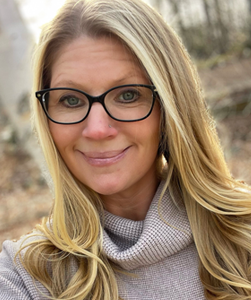
Kortney Yasenka, LCMHC, is a licensed clinical mental health counselor with over 20 years of experience providing individual, family, and group therapy, along with life coaching services, including specialized support for student athletes. She holds a Master’s degree in Counseling Psychology with a concentration in Health Psychology from Northeastern University and is certified in trauma-focused cognitive behavioral therapy, integrating both traditional and ecotherapy approaches into her work. Throughout her career, Kortney has worked across community mental health settings, school systems, and private practice. She also has experience supporting veterans and active military personnel. In addition to her clinical work, Kortney is a published author whose titles include The Stoicism Book of Quotes The Marcus Aurelius Book of Quotes, Stoicism Quotes for Mind and Body, and Swedish Lagom. She is also a contributing author in The Resilient Warrior.