
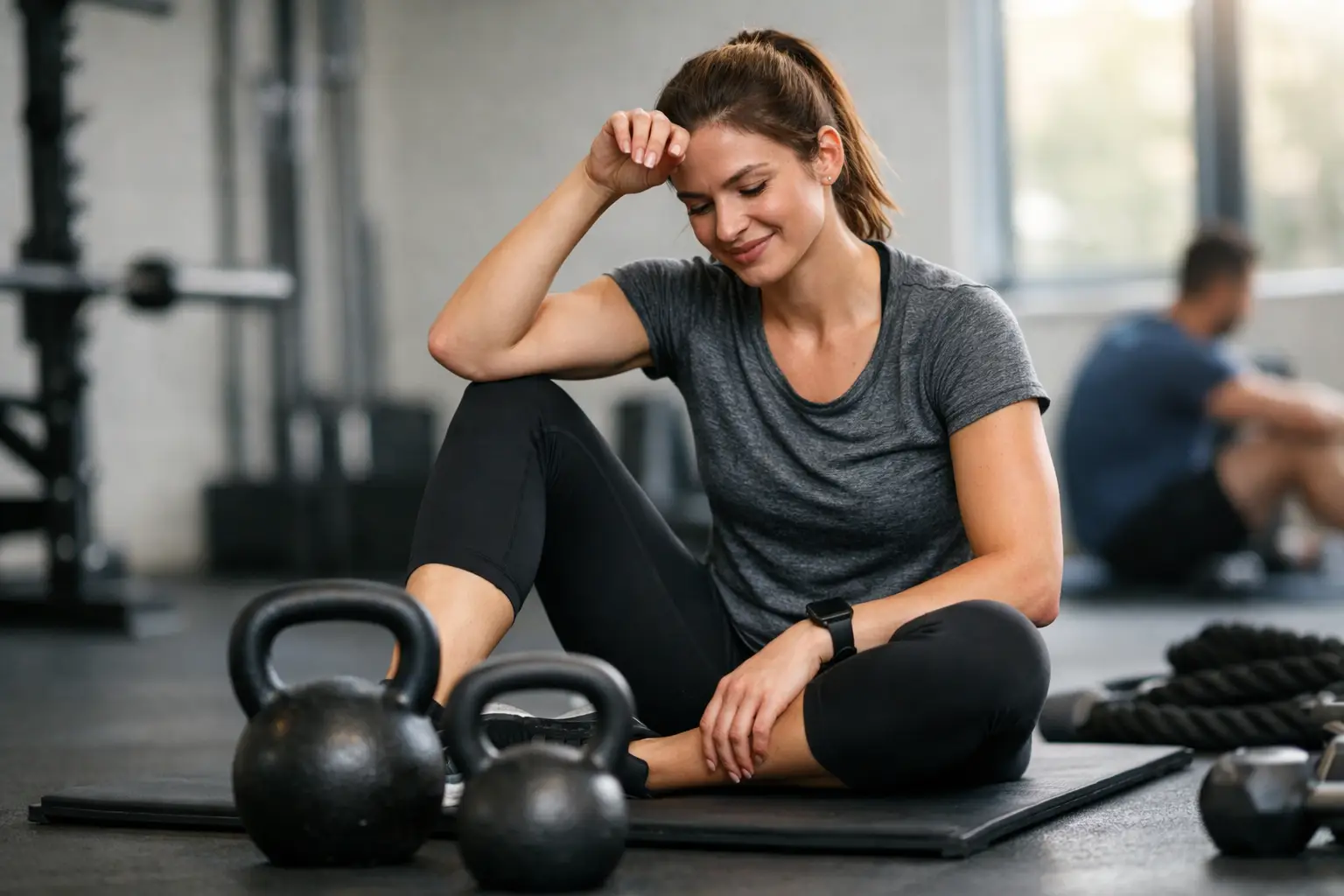
A kettlebell can look deceptively simple: one compact weight, one handle, and endless videos promising fast results. But learning how to start kettlebell training is less about pushing through a punishing circuit and more about building skill, confidence, and a routine you can repeat when work, family, and life get busy.
Kettlebells are useful because they train strength, coordination, grip, mobility, and cardiovascular fitness at the same time. They can also expose rushed form quickly. Starting with a smaller plan and a focus on fundamentals helps you get the benefits without turning your first week into a soreness contest.
Table of contents
- Decide what you want from kettlebell training
- Choose a starting weight and set up your space
- Learn the hinge before the swing
- Build a simple two-day routine
- Progress without rushing
- Make recovery part of the plan
1. Decide what you want from kettlebell training
Before selecting a bell or following a workout, name the outcome that matters to you right now. Maybe you want to feel stronger carrying groceries, have more energy for your kids, rebuild exercise after a long break, or fit effective workouts into 25 minutes at home. Those are all valid goals.
A clear goal keeps your training practical. If your priority is general strength and energy, you do not need advanced lifts or daily high-intensity sessions. Two full-body workouts per week can create meaningful progress, especially when you are also walking, sleeping as well as you can, and managing a full schedule.
Kettlebell training can support fat loss, but it should not be treated as punishment for eating or a shortcut to changing your body on a deadline. Strength, stamina, movement confidence, and a more stable mood are worthwhile signs of progress too.
2. Choose a starting weight and set up your space
The best beginner weight depends on your current strength, training experience, body size, and the exercise you are doing. A weight that feels right for a deadlift may be too heavy for an overhead press. Rather than chasing a universal number, choose a bell that allows you to move slowly and stay in control.
For many beginners, an 18- to 26-pound kettlebell is a reasonable starting point for lower-body movements, while an 8- to 18-pound option may work better for pressing and other upper-body exercises. Some people will need lighter or heavier options. If you can only buy one bell, choose a manageable weight for deadlifts, squats, and rows, then use bodyweight exercises for overhead work until you are ready.
Set up on a clear, non-slip surface with enough room to extend your arms and safely set the bell down. Wear stable shoes or train barefoot only if your flooring is secure and you are comfortable doing so. Keep pets, children, and clutter outside your training area. That is not overly cautious – it lets you focus fully on your movement.
3. Learn the hinge before the swing
The kettlebell swing is popular for good reason. It is powerful, efficient, and can raise your heart rate quickly. It is also commonly misunderstood as an arm lift or a squat with a bell. In reality, the swing begins with a hip hinge: your hips move back while your spine stays long, then your glutes drive your hips forward.
Start with the kettlebell deadlift. Stand with the bell on the floor between your feet. Push your hips back, soften your knees, grip the handle, and stand by pressing the floor away. Your arms stay long; your back does not round to reach the bell. Lower it with the same controlled hip-back motion.
When that feels natural, practice a hike pass without swinging. Hinge, tip the bell toward you, then guide it back between your thighs as if hiking a football. The bell should stay close to your body. This teaches the path and timing you need later.
Only add swings when you can deadlift and hike the bell with control. During a swing, the bell floats because of hip power, not because you raise it with your shoulders. Stop the set if you feel sharp pain, tingling, dizziness, or strain in your lower back. Fatigue can be normal; pain is a signal to reassess.
4. Build a simple two-day routine
You do not need a long menu of exercises to begin. Pick a few patterns – squat, hinge, push, pull, and carry – and practice them consistently. Begin each session with five minutes of easy movement, such as walking, gentle hip circles, arm circles, and a few bodyweight squats.
Try this beginner routine twice a week, leaving at least one day between sessions. Move at a pace that lets you breathe and pay attention to form.
- Kettlebell deadlift: 2 to 3 sets of 6 to 10 repetitions. Pause briefly when the bell reaches the floor instead of bouncing into the next rep.
- Goblet squat: 2 to 3 sets of 5 to 8 repetitions. Hold the bell close to your chest, keep your feet grounded, and squat only as low as you can without losing balance or control.
- One-arm supported row: 2 to 3 sets of 6 to 10 repetitions per side. Support one hand on a sturdy bench, chair, or countertop, and pull the bell toward your hip.
- Kettlebell floor press: 2 sets of 6 to 8 repetitions per side. Lie on your back, keep your wrist straight, and press the bell up with a steady, controlled path.
- Suitcase carry: 2 rounds of 20 to 40 seconds per side. Hold the bell at one side and walk slowly without leaning toward or away from it.
Rest for about 60 to 90 seconds between sets, or longer if your breathing and form need it. If 20 minutes is all you have, complete one or two quality sets of each movement. A shortened workout still counts.
5. Progress without rushing
The most reliable way to progress is to change one variable at a time. First, make the movement cleaner. Then add a repetition or two. After that, add a set, reduce rest slightly, or move up in weight when the current bell is clearly manageable.
For example, you might start with two sets of six deadlifts. Over several weeks, build to three sets of 10 with solid form. That is progress, even if you never feel wrecked afterward. Once you can complete your planned reps while maintaining control and could likely do two more, it may be time to try a slightly heavier bell.
More is not always better. If sleep is poor, work is unusually stressful, or your body is still adapting, repeat the same session rather than adding volume. Consistency is built by making training fit your real capacity, not by ignoring it.
6. Make recovery part of the plan
Kettlebell sessions can feel demanding because they use many muscles at once. Give your body the basic support it needs: regular meals with enough protein, water throughout the day, and a realistic wind-down routine that protects sleep when possible. You do not need a flawless recovery routine to benefit, but you do need enough recovery to return to training feeling capable.
Pay attention to how your joints and energy feel over time. Mild muscle soreness, especially when you are new, is common. Persistent pain, worsening discomfort, or symptoms that affect daily activities are reasons to pause and speak with a qualified health professional. If you have a history of injury, are pregnant, have cardiovascular concerns, or are returning to exercise after a medical event, personalized guidance can help you train more safely.
Takeaway
Starting kettlebell training does not require an extreme program or a perfect schedule. Learn a few foundational movements, use a weight you can control, and train twice a week long enough to let skill develop. The goal is not to prove how hard you can push. It is to build strength that supports the rest of your life.
Frequently asked questions
How often should a beginner do kettlebell workouts?
Two nonconsecutive days per week is a strong starting point for most beginners. After several weeks, you can consider a third day if you are recovering well and still enjoy the routine. Walking, mobility work, or another activity you like can fill the days between strength sessions.
Can I start kettlebell training at home?
Yes. A clear floor area, one appropriately sized kettlebell, and stable footwear are enough for many foundational exercises. If you are learning independently, keep early sessions simple and consider feedback from a qualified coach, especially before adding swings, cleans, snatches, or overhead work.
Are kettlebell swings safe for beginners?
They can be, but they are not the first skill to rush. Build your hip hinge with deadlifts and hike-pass practice first. A swing should feel driven by your hips and glutes, not pulled by your arms or felt primarily in your low back.
What if I feel intimidated at the gym or unsure about my form?
Start where you have enough space and attention to learn. Everyone begins somewhere, and careful practice is a sign of good judgment, not inexperience. A modest, repeatable session can become the kind of strength habit that makes daily life feel more manageable.