
On a trip to Europe a few years ago, I multisported all over and around the city of Cortina in the Italian Dolomite Region, climbing mountains and via ferratas, biking in the Alps, hiking, and even kayaking and swimming on the not-far coast. Multisport is two or more human-powered sport modes combined and done in bouts together. Home to the 1956 Winter Olympics and this year’s 2026 Winter Olympics as well, the mountain town of Cortina d’Ampezzo is ripe for multisport adventures any time of year.
Here is how you can multisport like the Winter Olympics:
Skimo
One of the most exciting things to come in this year’s Milano Cortina 2026 Winter Olympics is Ski Mountaineering. In the multisport world, ski mountaineering is known as skimo. New to the Olympic Games, but not the world of international mountain community competition, skimo requires racers to ski with special climbing skins uphill, hike steep sections with skis on their backs in backpacks on foot, then race down skiing alpine style after removing their skins as fast as possible. This endurance sport also requires strong climbing power and the skill of downhill skiing. The Olympics will feature skimo sprints and mixed relays. Ski mountaineering is an ultimate multisport because it crosses skiing disciplines and styles. It integrates unique mountainous landscapes, and uses multiple physical systems like climbing power, the mastery of gear and technical terrain, and the ability to sprint down. Adventurers train with skimo in the backcountry and do it recreationally to enjoy the wild mountain realms with everything they need on their backs. Add skimo to your multisport list whether you want to tackle a full day tour or use it for sprint and power climb sessions. The USA mixed team this year has a background in trail running and Nordic skiing.
Biathlon
Biathlon is another multisport favorite in the Winter Olympics. Biathlon includes cross country skiing interposed with rifle shooting. After each cross country skiing section, competitors reach the shooting sections, some standing and some lying down. I love the spirit of biathlon because it can be done at home year round. In the winter, you can set up a route to do with your cross country skis, and in the non-snow months, running can replace the skiing sections for training or competitions. Any means of shooting targets can be integrated as well, such as using a bow and arrow for archery practice, or mock methods for safety, depending on if you are participating at an official biathlon center or on your own course. Nordic Combined is another multisport example in the Winter Olympics as it blends Cross Country Skiing and Ski Jumping. If overwhelmed about the logistics required for these versions, just stick with cross country skiing that can easily be done out a front door in deep snow for a brisk winter workout around your neighborhood.
Ice Rink Roulette
When it comes to ice sports you can do at home, you have lots of options. This winter we built a backyard ice rink. This enables us to Figure Skate, play Ice Hockey, and Speed Skate, all Winter Olympic sports. We can do one at a time, or go from skating, shooting pucks, to power leg pushes all in an afternoon. If you don’t have a backyard ice rink, try wild skating. Wild skating involves skating on frozen ponds, rivers, or lakes. The benefit to wild skating over the convenience of backyard ice rink skating is the freedom and space it offers. Once you have tested and continue to monitor the ice for safety, you are off! You can work on your figure skating technique, spread out to go fast or long for endurance speed skating, and play hockey with family and friends. If you don’t have either of these options available, do what you can at your local ice skating rink public skate time or pop up city rink. As long as you are on the ice somewhere, in your own skates or a rented pair, you can tap into the spirit of the Winter Olympics on the ice. If you have access to the stones, you could even try Curling, or if not, a modified version of the ice game of precision.
Sled Style
The thrill of the Luge, the adrenaline of the Skeleton, the teamwork of the Bobsleigh – all hard to replicate at home away from official winter venues. What is not hard to replicate is the thrill of going downhill on a sled. This winter we took our children sledding on a classic hill I grew up sledding on. Running up, and then flying back down was old fashioned fun, and gave me a few moments of bodily escape. It was also a blast to play outside on a cold snowy day with other families and children and experience the joy of balance, reflexes and nerves in a soft environment. On the ice tracks, skeleton is one of the oldest winter sports. Athletes go face-first down their run in skeleton. Luge is where athletes lay on the sledge on their backs, and it is known as the fastest sport in the Winter Olympics, reaching up to 6Gs of force. Cortina is home to the oldest bobsleigh club in Italy.
Slopes
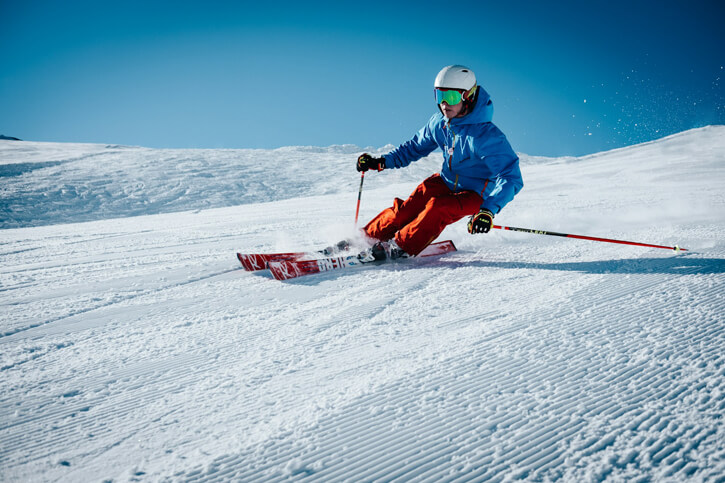
Maybe the closest most of us feel to experiencing the Winter Olympics is Alpine Skiing, also known as downhill skiing. If you grew up learning to ski on family ski trips to ski resorts, or learned later in life, skiing is one of the most popular ways to access the mountains in the winter. Snowboarding falls into this category as well. If you need an excuse to hit the slopes this winter, the Olympics can serve as the perfect motivation. Catch broadcasts of events like Freestyle Skiing and Ski Jumping, to leave you feeling inspired. Traveling to former Olympic host town’s villages, like the Utah Olympic Park, which offers training using an Olympic freestyle pool and ramps to help with jumps during the summer months, is also a way to multisport year round. If you are lucky enough to visit Cortina, for your own multisport adventures, you will still feel the pride the city carries from hosting the 1956 Winter Olympics, and I’m sure 2026 will bring the same flame.

Jennifer Strong McConachie is an ultrarunner, mountaineer, marathon swimmer, distance paddler, and multisport athlete. An Outward Bound graduate, she is also a Fellow in the Royal Geographical Society and member of The Explorers Club. She trains for mountain ascents around the world, including several of the Seven Summits. Jennifer has several certifications in fitness teaching including from the American Council on Exercise. As a professional speaker, presenter and trainer, she leads groups and workshops on business goal setting and leadership. She is the author of GO FAR: How Endurance Sports Help You Win At Life and GO MULTISPORT: Fun, Challenge & Exploration to Your World. Learn more at her website jenniferstrongmccon.com.