
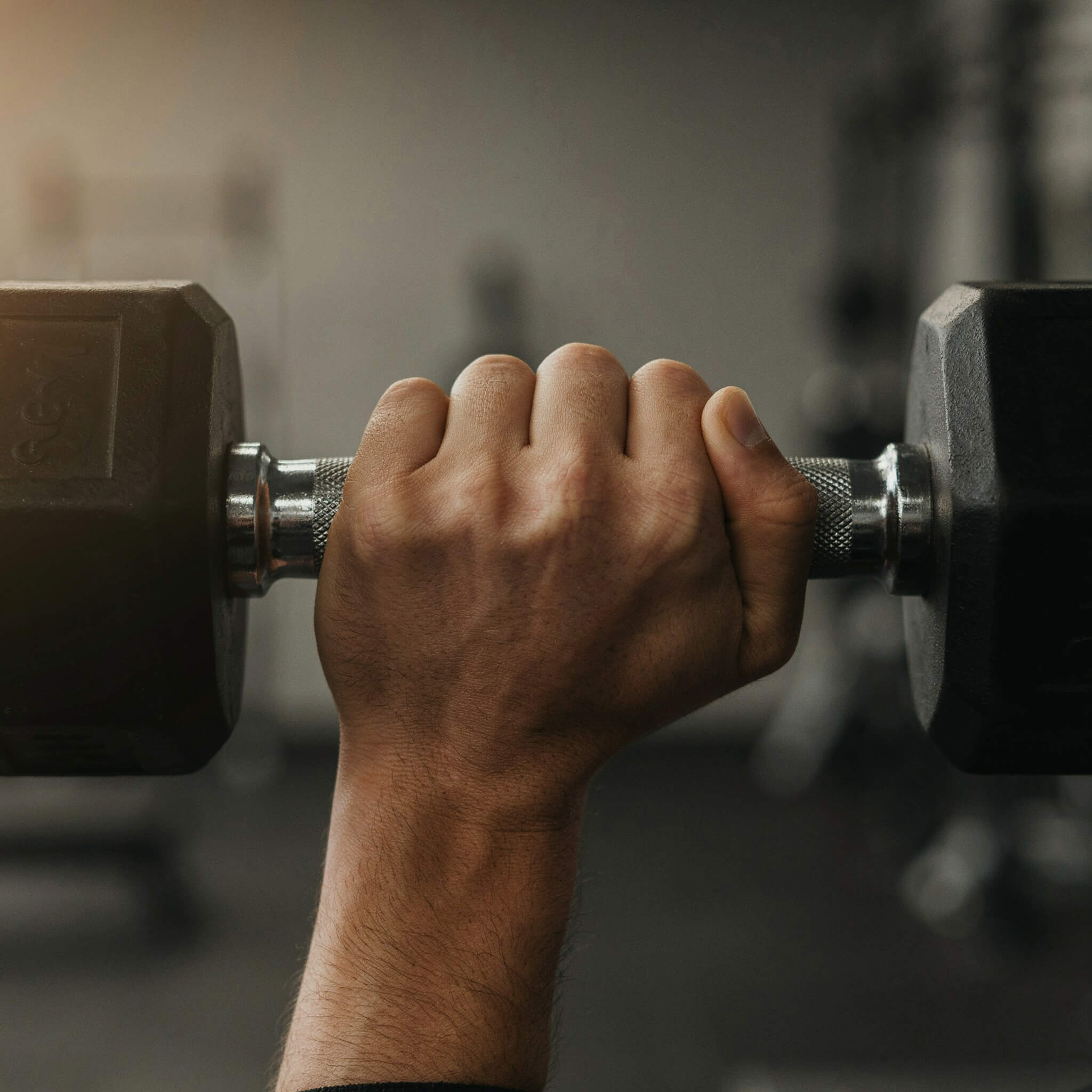
A weak grip can show up in small, frustrating ways: the grocery bags that make your fingers ache, the dumbbells that slip before your legs are tired, or the jar lid you hand to someone else. Learning how to improve grip strength is not just about lifting heavier. It is about making daily movement feel more capable, secure, and comfortable.
Table of Contents
- Why grip strength matters beyond the gym
- How to improve grip strength safely
- Exercises that build a stronger grip
- How often to train your grip
- When hand pain needs attention
- Frequently asked questions
Why Grip Strength Matters Beyond the Gym
Your grip is the link between your body and whatever you are carrying, pulling, lifting, or holding. It supports rows, deadlifts, pull-ups, kettlebell work, gardening, carrying a child, moving boxes, and opening containers. A stronger grip can also make other strength training feel more productive because your hands are less likely to become the limiting factor first.
Grip strength is not one single ability. Crushing strength is the force used to squeeze a hand gripper. Support strength is your ability to hold onto a heavy object for time, such as dumbbells during a carry. Pinch strength helps you hold a weight plate or a wide object between your fingers and thumb. Wrist strength and forearm endurance matter, too, because the wrist needs to stay steady while your hand works.
That distinction matters because a hand gripper alone will not prepare you for every task. The most useful approach includes a few types of gripping, built gradually around the movement you already enjoy.
How to Improve Grip Strength Safely
The goal is to challenge your hands and forearms without turning every workout into an elbow or wrist problem. Start with a small dose, pay attention to how your body responds, and let consistency do more work than intensity.
1. Let your regular workouts do some of the work
Before adding specialty tools, look at the exercises already in your routine. Dumbbell rows, lat pulldowns, deadlifts, kettlebell swings, and loaded carries all train the grip when you hold the handle without assistance. If you normally use lifting straps for every pulling set, consider saving them for your heaviest sets or high-rep work instead of reaching for them immediately.
This does not mean straps are bad. They can help you train your back or hamstrings when grip fatigue would otherwise cut the set short. Think of them as a tool, not a default. Some sets without straps give your hands a reason to adapt.
2. Add loaded carries to your week
Loaded carries are among the most practical grip exercises because they build support strength while challenging posture, core stability, and walking mechanics. Hold a pair of dumbbells or kettlebells at your sides, stand tall, and walk at a controlled pace. Avoid shrugging your shoulders up toward your ears or leaning hard from side to side.
Begin with two or three carries of 20 to 30 seconds. Choose a weight that feels demanding near the end but still allows you to keep your ribs stacked over your pelvis and take steady steps. As that becomes manageable, add a little time, distance, or weight – not all three at once.
3. Train hangs if your shoulders tolerate them
A dead hang from a pull-up bar develops support strength and can feel especially relevant for people working toward pull-ups. Grip the bar with both hands, keep your shoulders active rather than collapsing into them, and hang for a short, controlled interval.
Start with 10 to 20 seconds for two or three sets. If a full hang is not comfortable, keep one or both feet lightly on the floor, use a low bar, or practice hanging from gymnastic rings. People with current shoulder pain, recent surgery, or significant joint instability should get individualized guidance before adding hangs.
4. Include one direct forearm exercise
Direct work can help, especially if your grip gives out well before the larger muscles in your back and legs. Pick one exercise and keep it simple. Wrist curls train the muscles that bend the wrist, while reverse wrist curls train the muscles that lift it. You can also slowly rotate a light dumbbell or hammer-like object to build control through the forearm.
Use a light weight and move deliberately. Two sets of 10 to 15 repetitions is plenty to begin. The forearms are small muscles with hardworking tendons, so chasing a deep burn every day is more likely to create irritation than faster progress.
5. Give your thumb some attention
Your thumb contributes heavily to grip, particularly in pinch-based tasks. A simple option is holding the smooth sides of a weight plate between your thumb and fingers for 10 to 20 seconds. If that feels too difficult, use a lighter plate or hold a book with a firm cover.
Keep your wrist neutral instead of bending it sharply. Pinch work can be surprisingly intense, so one or two short sets at the end of a workout is enough for most people.
6. Progress one variable at a time
When you are ready to make an exercise harder, choose one clear change: use slightly more weight, extend the hold by five seconds, add one set, or improve control. This is especially helpful for busy adults whose sleep, stress, and training time can change from week to week.
A simple training note can reveal progress that is easy to overlook. Record the weight and time for carries or hangs, then revisit the same movement the following week. Stronger does not always mean dramatic. Holding the same dumbbells for 45 seconds instead of 25 is real progress.
Exercises for Grip Strength
You do not need to perform every grip exercise. Choose two or three that fit your equipment, experience, and goals.
- Farmer’s carries: Best all-around option for holding strength, posture, and daily carrying capacity.
- Dead hangs or assisted hangs: Useful for bar grip and pull-up preparation when shoulders feel healthy.
- Dumbbell or barbell holds: Lift the weight safely into position, then hold it for time with a tall posture.
- Plate pinches: Build thumb and finger strength with short, focused holds.
- Hand grippers: Convenient for crushing strength, especially when you need a quick at-home option.
- Wrist curls and reverse wrist curls: Helpful accessory work for forearm strength and balance.
Hand grippers are portable and satisfying, but they are not a complete grip plan. If your goal is stronger deadlifts, carries, or pull-ups, prioritize holding real weights and hanging from a bar. If your goal is better hand endurance for work or hobbies, a mix of carries, pinches, and grippers may make more sense.
How Often to Train Your Grip Strength
For most people, two or three brief grip sessions per week is enough. You can add carries after lower-body training, hangs after an upper-body session, or a few gripper sets during a short home workout. These muscles often recover well, but the tendons around the wrist and elbow may need more patience.
Avoid stacking hard gripping work on consecutive days at first, especially if your job already involves typing, tools, manual labor, caregiving, or repetitive hand use. A good sign you are progressing appropriately is mild muscle fatigue that settles within a day or two. Persistent soreness, declining performance, or pain during ordinary tasks is a sign to reduce the volume.
Recovery also includes the basics: enough sleep, regular meals with adequate protein, and breaks from repetitive positions. A few minutes away from the keyboard or phone can matter when your hands already do a lot before you reach the gym.
When Hand Pain Needs Attention
Training discomfort is different from pain. Stop and reassess if you feel sharp pain, numbness, tingling, swelling, loss of coordination, or pain that lingers and worsens with everyday use. Wrist, elbow, and hand symptoms can have many causes, and pushing through them can make a manageable issue harder to resolve.
If symptoms persist, talk with a qualified health professional such as a physician, physical therapist, or occupational therapist. Getting help is not a setback. It is a practical way to protect your ability to train, work, and care for yourself over the long term.
Put Grip Strength Into Practice
A stronger grip is built through small, repeatable challenges, not by squeezing a gripper until your hands hurt. Add a couple of carries after your next workout, practice a few controlled hangs if they feel good, and give yourself time to adapt. The payoff is not only a better hold on weights. It is more confidence in the everyday tasks your body carries you through.
Frequently Asked Questions
How long does it take to improve grip strength?
Many people notice better endurance in two to four weeks when they train consistently. Meaningful strength changes often take longer, particularly if you are new to resistance training or are rebuilding after time away. Your sleep, nutrition, work demands, and starting point all influence the timeline.
Can I train grip strength every day?
Light mobility and easy hand movement can be fine daily, but hard gripping exercises usually need recovery. Start with two or three sessions per week. If your forearms or elbows stay sore, reduce the frequency or total sets before adding more intensity.
Do hand grippers improve grip strength?
Yes, hand grippers can improve squeezing strength. They are less specific for holding a barbell, carrying heavy bags, or building pull-up grip endurance. Pair them with carries, hangs, or dumbbell holds for a more well-rounded result.
What is the best grip strength exercise for beginners?
Farmer’s carries are an excellent starting point because they are easy to scale and teach useful full-body control. Begin lighter than you think you need, walk slowly, and focus on staying tall. The best exercise is the one you can perform comfortably and repeat consistently.
For more exercise tips, read The Resilient Athlete: A Self-Coaching Guide to Next Level Performance in Sports & Life by Andrejs Birjukovs.