
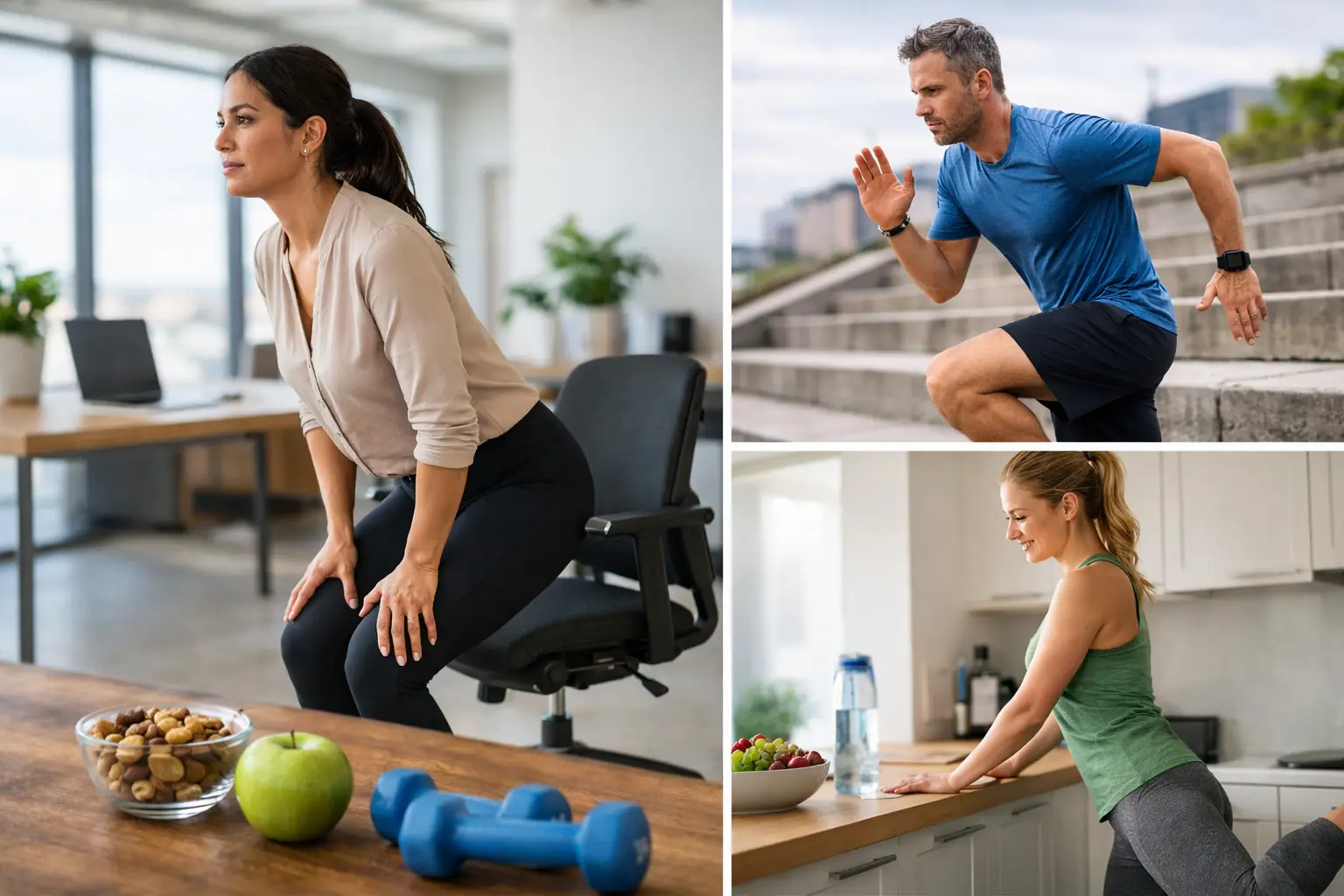
A 30-minute workout can feel like one more impossible demand when your calendar is packed, your child needs a ride, or you are finishing a late shift. That does not mean movement has to wait. What is exercise snacking? It is a simple approach to fitness that uses short, purposeful bursts of activity throughout the day instead of relying only on one long workout.
For many people, exercise snacking is less about doing more and more about removing the all-or-nothing thinking that makes fitness hard to sustain. A few minutes of movement will not replace every type of training, but it can make your body feel more capable, energized, and cared for on the days when a traditional workout is not realistic.
Table of Contents
- What exercise snacking means
- Why short movement breaks work
- How to start exercise snacking
- Exercise snack ideas for real life
- When short sessions are not enough
- Frequently asked questions
What Is Exercise Snacking?
Exercise snacking means doing brief bouts of physical activity – often one to 10 minutes – at different points in your day. Think of climbing stairs before a meeting, doing bodyweight squats while coffee brews, or taking a brisk walk around the block after lunch.
The goal is not to turn every spare minute into a workout. It is to interrupt long stretches of sitting and create repeatable opportunities to move. These small sessions may support cardiovascular health, muscle strength, mobility, blood sugar management, mood, and daily energy, especially when they become a regular habit.
The term can sound trendy, but the idea is practical: your body responds to movement even when that movement comes in small doses. If 20 minutes at once is available, great. If your day only offers four five-minute windows, those windows still count.
Why Short Movement Breaks Can Make a Difference
A common misconception is that exercise only “works” if you are sweaty, exhausted, or committed to a full gym session. Longer workouts have real benefits, particularly when you are training for endurance, building strength with progressive resistance, or preparing for an event. But short activity breaks have benefits of their own.
First, they lower the barrier to getting started. The hardest part of exercise is often not the exercise itself. It is changing clothes, driving somewhere, finding time, and negotiating with a tired mind. Telling yourself to walk for five minutes or do eight chair stands can feel manageable, even on a demanding day.
Second, brief movement can break up extended sitting. Many US adults spend hours at desks, in cars, or on the couch after work. A short walk, a few flights of stairs, or a mobility break helps change position and ask different things of your muscles and joints. For people who feel stiff by late afternoon, that alone can be meaningful.
Finally, exercise snacks build evidence that you can keep promises to yourself. That matters when you are recovering from burnout or trying to move away from punishment-based fitness. Consistency is not glamorous, but it is often more useful than an ambitious plan you can only follow once a month.
How to Start Exercise Snacking Without Overthinking It
The best plan fits the life you actually have, not the one you wish had fewer meetings and more free time. Start small enough that success feels likely.
- Choose one reliable cue. Attach movement to something you already do, such as getting off a work call, brushing your teeth, waiting for dinner to cook, or returning home from school drop-off. A cue reduces the need to remember another task.
- Pick a movement that matches your space and body. You may have room for a hallway walk but not a workout mat. You may enjoy stairs but need low-impact options because of knee discomfort. Choose the option you are willing and able to repeat.
- Set a short minimum. Start with two to five minutes. If you continue longer, that is a bonus, not a requirement. The minimum should still feel doable on a hectic Tuesday.
- Use moderate effort when appropriate. Some snacks can be gentle mobility. Others can raise your heart rate. A useful guide is the talk test: during moderate activity, you can talk in short sentences but would not want to sing.
- Notice what changes. Pay attention to energy, concentration, stiffness, sleep, and mood, not only calories or the scale. These are often the first signs that a movement habit is serving you.
Exercise Snack Ideas for Real Life
The right exercise snack depends on your fitness level, schedule, clothing, and goals. A parent working from home may have different options than a hospital employee or a person managing chronic pain. There is no prize for choosing the hardest version.
For a quick energy reset, take a brisk five-minute walk indoors or outside. If you work at a computer, set a reminder to stand, walk to refill your water, and add one lap around your home or office. A short walk after a meal can also be a calming transition before you return to your next responsibility.
For lower-body strength, try a set of sit-to-stands from a sturdy chair, bodyweight squats, step-ups on a stable bottom stair, or a few slow reverse lunges while holding a counter for balance. Focus on controlled form rather than speed. If your knees are sensitive, reduce your range of motion or choose chair stands.
For upper-body and core strength, wall push-ups, countertop push-ups, band rows, or standing marches can work well in small spaces. Carrying groceries with good posture or doing a few controlled calf raises while waiting for the microwave are also legitimate ways to add movement.
For mobility, take two minutes to roll your shoulders, reach overhead, rotate your upper back, gently move your hips, and stretch your calves. Mobility work may not leave you breathless, but it can be especially useful after long periods of sitting or driving.
If you are already active, exercise snacks can complement rather than compete with your regular program. A few short walks may support recovery on a strength-training day. Brief mobility breaks can help you feel better between workouts. They are not a substitute for planned training if you have performance goals, but they can make your overall activity pattern more resilient.
When Exercise Snacking Is Not Enough
Exercise snacking is a valuable tool, not a complete prescription. If your goal is to increase maximal strength, train for a race, improve a specific skill, or meet recommended weekly activity levels, you will likely benefit from longer, structured sessions too. Progressive strength training requires enough resistance and a plan to gradually challenge your muscles.
It also helps to be honest about intensity. A few minutes of gentle stretching is worthwhile, but it does not provide the same cardiovascular stimulus as a fast walk, cycling session, or vigorous workout. You do not need to dismiss gentle movement. Just match the method to the outcome you want.
If you have chest pain, unexplained shortness of breath, dizziness, a new injury, or a medical condition that affects exercise safety, talk with a qualified health professional before increasing activity. Pain is not a sign that you are failing or that you need to push harder. It is information worth respecting.
A More Flexible Definition of Fitness
Exercise snacking works best when it supports your life instead of becoming another rule to follow perfectly. Missing a day does not erase progress. Taking a rest day is not laziness. And a 10-minute walk is not “better than nothing” in a dismissive sense – it is a real act of care for your body.
At Get Fit Now, we believe sustainable health is built through options. Some days, a full workout will be satisfying and restorative. On other days, your win may be three minutes of stairs between calls. Both can belong in a healthy routine.
Frequently Asked Questions
How many exercise snacks should I do each day?
There is no magic number. Start with one short movement break daily and build from there if it feels good. Two to four brief sessions can be a practical target for people who sit for much of the day, but consistency matters more than hitting a perfect count.
Can exercise snacking help with weight loss?
It can increase your overall activity and support energy balance, but weight changes are influenced by many factors, including nutrition, sleep, stress, medications, and health conditions. Exercise snacks are most sustainable when you value their benefits beyond the scale.
Are exercise snacks good for beginners?
Yes. They can be an approachable entry point because the sessions are short and adaptable. Begin with low-impact options, use stable support when needed, and choose movements that feel comfortable enough to repeat.
Do short workouts really count?
Yes. Short bouts of activity contribute to your daily movement and can support health. Longer workouts still have a place, but you do not need to wait for an uninterrupted hour to do something beneficial.
Your next movement break does not need special equipment, perfect motivation, or a dramatic transformation plan. Stand up, move in a way that feels right for your body, and let that small choice make the next one easier.
For more exercise tips, read The Resilient Athlete: A Self-Coaching Guide to Next Level Performance in Sports & Life by Andrejs Birjukovs.