
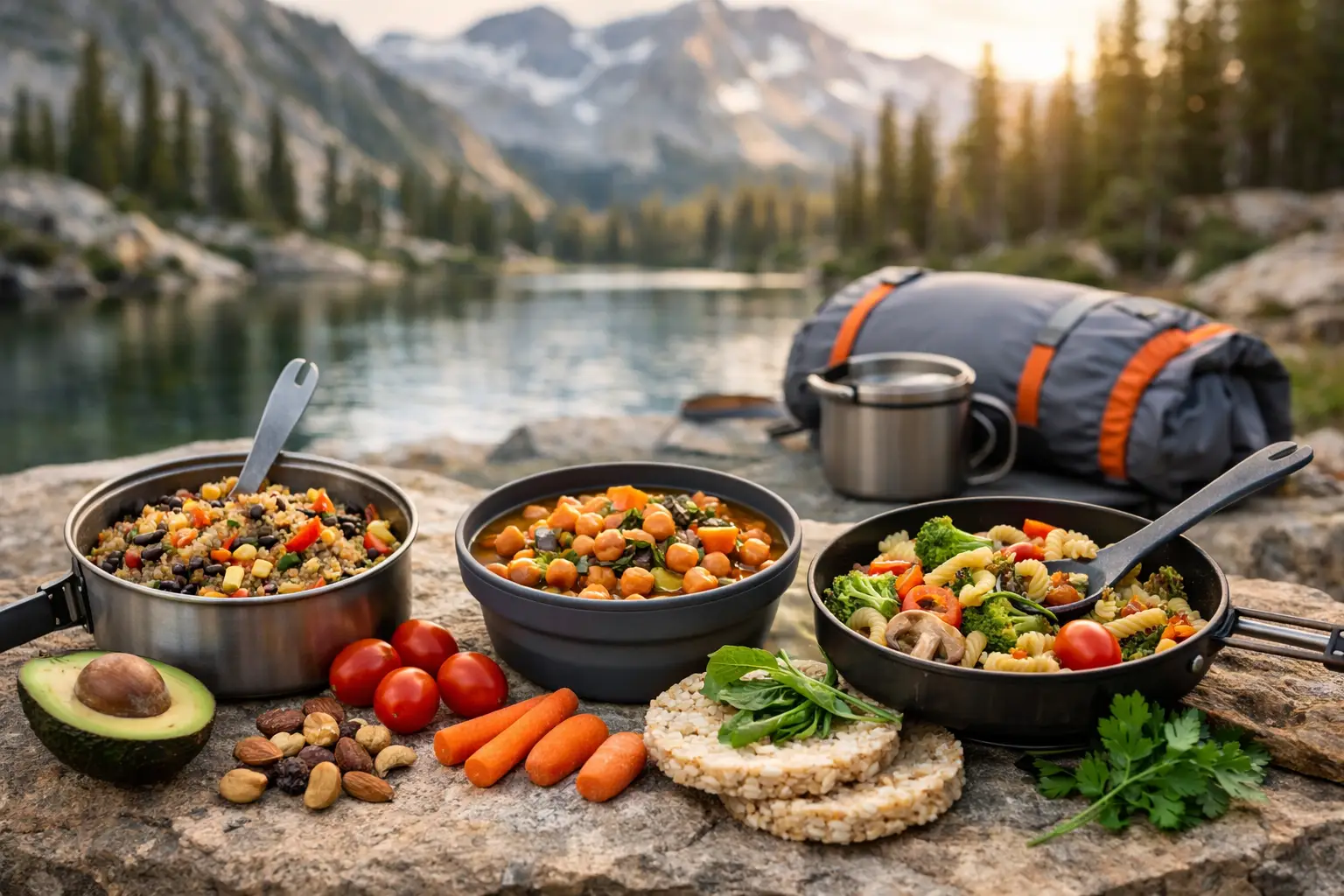
The hunger that hits halfway through a steep climb is not a willpower problem. It is usually a fuel problem. Well-planned Plant-based hiking and backpacking meals and recipes can provide the calories, protein, carbohydrates, and comfort you need to keep moving, recover well, and enjoy the view instead of counting down to the trailhead.
You do not need to carry a cooler or create complicated camp cuisine. The goal is dependable food that fits your pack, your schedule, and your appetite. A few thoughtful choices before you leave can make a long day outdoors feel far more steady and satisfying.
Table of Contents
- What trail meals need to do
- How to build a plant-based backpacking meal plan
- Three easy plant-based meals and recipes
- Packing, food safety, and common mistakes
- Frequently asked questions
What Plant-Based Hiking Meals Need to Do
Trail food has a different job than a typical weekday lunch. It needs to deliver plenty of energy without taking up much room, tolerate heat and movement, and be easy to eat when you are tired, cold, or short on water.
Carbohydrates are your most immediate source of energy for uphill efforts. Think oats, tortillas, dried fruit, rice, noodles, crackers, and granola. Protein supports muscle repair and helps meals feel more filling, especially after a long day with a loaded pack. Beans, lentils, soy curls, textured vegetable protein, nut butter, pumpkin seeds, and protein powder all travel well. Fats from nuts, seeds, coconut milk powder, olive oil packets, and chocolate add valuable calories in a small package.
There is no single perfect ratio for every hiker. A fast overnight trip in mild weather may call for simpler snacks and one hot dinner. A multi-day route, cold conditions, high elevation, or a high-mileage itinerary usually requires more calories, more warm food, and more attention to sodium. If you are new to backpacking, bring more food than you expect to need. Learning your trail appetite takes experience, and underfueling can turn a good trip into an exhausting one.
Build Your Plant-Based Hiking Meal Plan Before You Pack
Start by estimating how many plant-based meals, snacks, and drinks you will actually need, then build around foods you already enjoy. A backpacking trip is not the moment to test a powder, bar, or spicy dehydrated meal your stomach has never met.
Use this simple five-step approach:
- Match food to the trip. Consider distance, elevation gain, weather, cooking access, and the number of days between resupply points. A day hike needs portable fuel. An overnight trip benefits from a reliable dinner and breakfast.
- Choose a carbohydrate base. Instant oats, couscous, instant rice, ramen-style noodles, dehydrated mashed potatoes, and tortillas cook quickly or need little water.
- Add a concentrated protein. Use single-serve nut butter, dehydrated refried beans, lentil flakes, soy curls, roasted edamame, or shelf-stable tofu. Canned beans are nutritious but generally too heavy for longer routes.
- Add calorie-dense extras. Olive oil, tahini powder, nuts, seeds, coconut milk powder, and dark chocolate can raise the energy value of a meal without much additional weight.
- Plan for electrolytes and pleasure. Pack a salty item, a sweet item, and an electrolyte option. Food morale matters when rain starts, feet ache, or the day runs longer than planned.
For most people, eating something every 60 to 90 minutes on a strenuous hike works better than waiting until they feel depleted. Keep an accessible pocket snack ready: dates with nut butter, trail mix, a fig bar, roasted chickpeas, or a tortilla rolled with peanut butter and banana chips. Regular eating supports steadier energy and may prevent the headache, irritability, and shaky legs that often arrive when you push too long without fuel.
Three Plant-Based Hiking and Backpacking Recipes
These meals use shelf-stable ingredients and are designed for one hungry adult. Pack dry ingredients in labeled zip-top bags, then add hot water at camp. Check local regulations and use odor-resistant storage where required.
Peanut Butter Banana Overnight Oats
This breakfast works for an early trail start because it requires no stove. Add water the night before, or make it in the morning and let it soften while you pack.
- 1/2 cup quick oats
- 2 tablespoons peanut butter powder or 1 single-serve peanut butter packet
- 2 tablespoons chopped walnuts or pumpkin seeds
- 2 tablespoons dried banana chips, crushed
- 1 tablespoon chia seeds
- Cinnamon and a pinch of salt
Combine everything except a regular peanut butter packet in a jar or bag. Add about 3/4 cup water, stir well, and wait at least 20 minutes. If using regular peanut butter, stir it in before eating. For more protein, add a scoop of plain or vanilla plant protein powder, but bring a little extra water so the oats do not become overly thick.
Smoky Lentil Couscous Bowl
Couscous is a useful backpacking staple because it rehydrates quickly. This savory dinner delivers carbohydrates, fiber, and protein without a long simmer.
- 3/4 cup instant couscous
- 1/3 cup lentil flakes or dehydrated cooked lentils
- 2 tablespoons sun-dried tomatoes, chopped
- 1 tablespoon nutritional yeast
- 1 tablespoon olive oil
- Smoked paprika, garlic powder, salt, and black pepper
Bring 1 cup water to a boil. Add the dry mixture, cover, and let stand for 8 to 10 minutes. Stir in olive oil just before eating. If you expect a particularly demanding day, add a packet of olives or a handful of cashews for extra sodium and calories.
Creamy Red Lentil Ramen
This meal is warm, salty, and especially welcome on chilly evenings. It uses red lentil pasta or instant noodles, so adjust water based on the package instructions and your stove setup.
- 1 package quick-cooking noodles or red lentil ramen
- 1/4 cup dehydrated vegetable mix
- 2 tablespoons powdered coconut milk
- 1 tablespoon peanut butter powder
- 1 teaspoon curry powder
- Soy sauce packet or a pinch of salt
Cook the noodles and vegetables in enough water to cover them. When tender, remove the pot from direct heat and stir in coconut milk powder, peanut butter powder, curry powder, and soy sauce. The result should be brothy and creamy. If water is limited, use less and make it more like a noodle bowl than soup.
Packing, Food Safety, and Common Mistakes
A little organization protects both your energy and your pack. Sort food by day, but keep daytime snacks where you can reach them without unpacking everything. Write simple cooking directions directly on each dinner bag. At the end of a long day, you will be glad you did not need to remember how much water your couscous requires.
Avoid packing only fruit, raw vegetables, and low-calorie snack foods. These choices can be nutritious at home but are bulky, perishable, and often insufficient for long efforts. Likewise, do not rely entirely on processed bars. They are convenient, but many people get flavor fatigue quickly. Mix sweet and savory foods, soft and crunchy textures, and familiar favorites with practical staples.
Food safety matters even in the backcountry. Keep hands clean before eating, protect food from animals, and follow the rules for your destination. In bear country, that may mean a bear canister or approved food-storage method. If temperatures are warm, skip foods that depend on staying chilled unless you will eat them early in the trip. Plant-based does not automatically mean shelf-stable.
Hydration deserves equal attention. High-fiber foods such as beans, oats, and dried fruit can feel uncomfortable if you are not drinking enough. Carry or treat adequate water, and use electrolytes when sweating heavily, hiking in heat, or spending multiple active days outside. If you have kidney disease, diabetes, digestive conditions, or another medical concern, individualized guidance from a registered dietitian can help you plan safely.
A Plant-Based Hiking Meal Plan You Can Repeat
The best plant-based backpacking menu is not the one with the most impressive ingredients. It is the one you will eat consistently, digest comfortably, and look forward to after a demanding day. Practice one or two recipes at home, notice how full they keep you, and adjust portions before your next trip.
A plant-based trail menu can be simple, satisfying, and strong enough for real miles. Pack enough food, eat before you are desperate for it, and leave room for a small treat that makes camp feel like home.
Frequently Asked Questions
How much food should I bring for a day hike?
For a moderate day hike, many adults do well with a substantial meal before leaving, a lunch, and several snacks. Longer distances, steep terrain, heat, and cold increase your needs. Bring extra food in case of delays, wrong turns, or a friend who underestimated their appetite.
What is the lightest plant-based protein for backpacking?
Protein powders, peanut butter powder, textured vegetable protein, lentil flakes, and dehydrated refried beans offer a favorable protein-to-weight ratio. Soy curls are also a versatile option, though they take up more space than powders or flakes.
Can I get enough calories without carrying lots of food?
Yes, but calorie density matters. Add nuts, seeds, nut butter, olive oil, coconut milk powder, and chocolate to meals and snacks. These foods provide more energy per ounce than fresh produce or plain crackers.
Are plant-based hiking meals good for beginners?
Absolutely. Begin with familiar foods such as oatmeal, tortillas with nut butter, couscous, instant potatoes, and noodle bowls. Test meals on a local hike or a backyard campout first, then refine your system as you learn what works for your body.
For more on plant-based nutrition, we recommend The Vegan Athlete’s Nutrition Handbook: The Essential Guide for Plant-Based Performance by Nichole Dandrea-Russert RDN.