
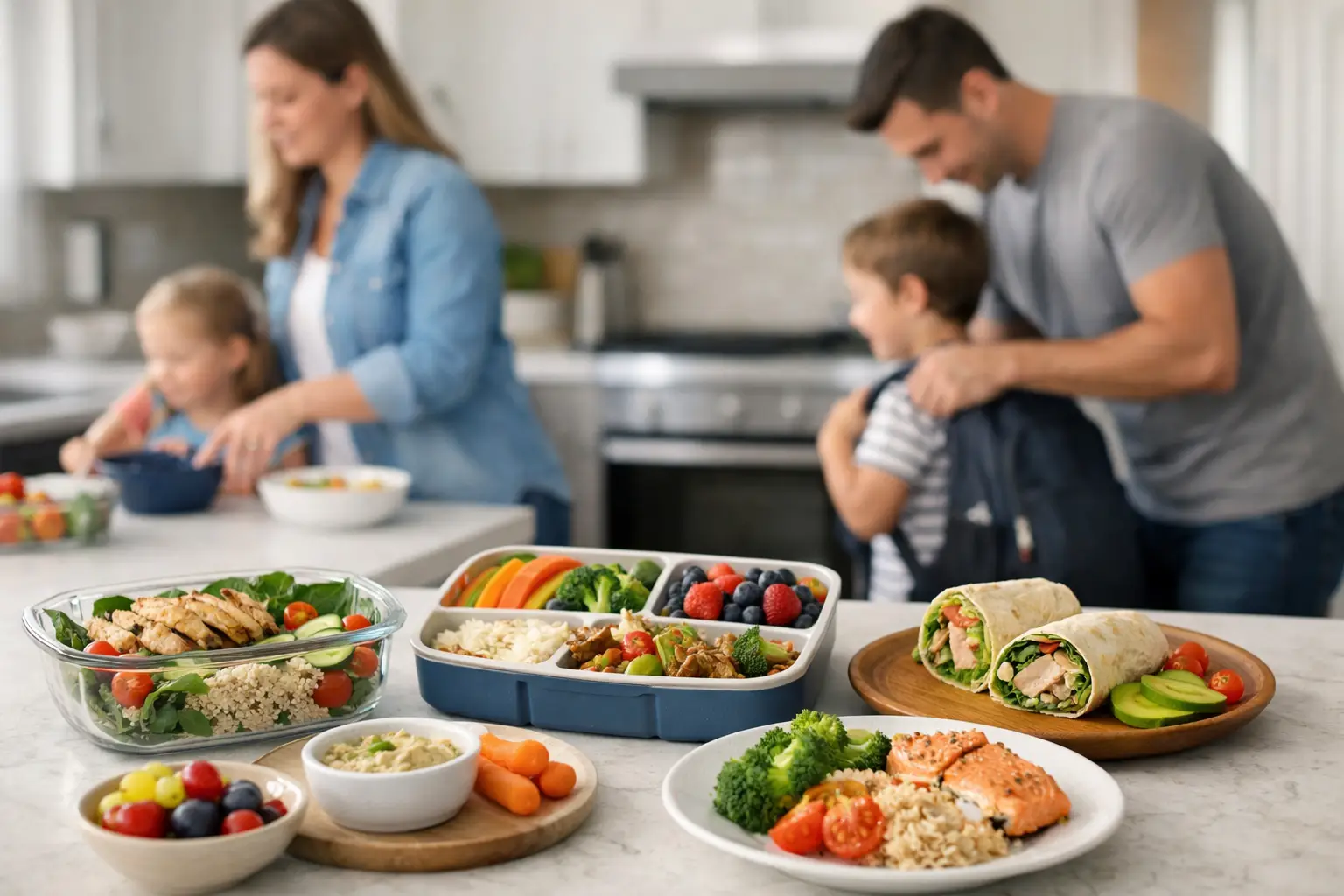
The 5:30 p.m. scramble is real: one child is hungry now, another needs help with homework, and you have about 20 minutes of energy left. Healthy family dinners for busy parents are not about cooking a picture-perfect dinner every night.
They are about creating a few reliable food routines that keep everyone fed, supported, and moving through the week with less stress.
Table of Contents
- Why a meal system beats a perfect meal plan
- Build meals around a simple formula
- Choose convenience foods with purpose
- Prep components, not a week of identical meals
- Keep a short list of fast and healthy family dinners
- Plan for the nights that go sideways
- How to make meals work for different family needs
- FAQ
Why a meal system beats a perfect meal plan
Many parents start the week with ambitious plans, then a late meeting, sick kid, practice schedule, or plain old exhaustion changes everything. When the plan only works under ideal conditions, it is not really a plan for family life.
A better approach is to create a flexible system. Keep a few proteins, produce options, filling carbohydrates, and sauces on hand. Then combine them in different ways based on the time and energy you have.
This reduces decision fatigue without requiring you to meal prep every bite on Sunday.
Think of dinner as a chance to meet basic needs, not another place to prove your discipline. A meal made from rotisserie chicken, microwaved rice, bagged salad, and avocado can be nourishing. It also counts when it gets your family through a demanding day.
Tip #1. Build healthy family dinners around a simple formula
A balanced dinner does not need complicated nutrition math. Start with four parts: a protein, a carbohydrate with staying power, a fruit or vegetable, and a source of fat or flavor. This combination supports steady energy, helps meals feel satisfying, and gives kids multiple foods to explore without pressure.
For example, tacos can include seasoned ground turkey or beans, corn tortillas, shredded cabbage, salsa, cheese, and avocado. A grain bowl can use cooked chicken, brown rice or quinoa, frozen broccoli, and a bottled dressing. Pasta night can include whole-grain or regular pasta, marinara, turkey meatballs, spinach, and Parmesan.
The specific foods depend on your budget, preferences, culture, and what your children will realistically eat. If one child only accepts cucumbers and berries as produce right now, serve those alongside the main meal. Repeated exposure matters more than forcing a new vegetable at the table.
Tip #2. Choose convenience foods with purpose
Convenience is not the opposite of health. It is often the bridge between knowing what you want to eat and having the capacity to make it happen.
Stock options that reduce prep time while still contributing meaningful nutrition. Frozen vegetables are picked and packed at peak freshness, and they can be steamed, roasted, or added to soups without washing or chopping.
Canned beans, pre-cooked lentils, bagged salads, shredded rotisserie chicken, eggs, plain Greek yogurt, and frozen brown rice are equally useful.
Read labels when you can, especially if sodium, added sugar, or food allergies are a concern for your family. But avoid turning label reading into another high-pressure task. A sodium-heavy frozen meal paired with fruit or a simple salad may be the best available option on a hectic night. Context matters.
Tip #3. Prep components, not a week of identical meals
A refrigerator full of pre-portioned containers can look motivating on social media. For many families, though, it becomes a Sunday chore followed by a Thursday collection of forgotten leftovers.
Instead, prepare two or three versatile components. Roast a sheet pan of vegetables, cook a pot of rice, wash fruit, or make a batch of taco-seasoned meat or beans. These ingredients can become several different meals without feeling repetitive.
A cooked protein might show up in quesadillas one night, grain bowls the next, and a quick soup later in the week. This strategy gives you structure while leaving room for changing appetites and schedules. It also makes it easier to use what you have before buying more groceries.
Tip #4. Keep a short list of fast and healthy family dinners
You do not need 30 new recipes. In fact, too many options can make dinner harder. Aim for five to seven meals that take 30 minutes or less and that most people in your household can tolerate or enjoy.
Here are six dependable ideas for healthy family dinners:
- Breakfast for dinner: Scrambled eggs, whole-grain toast, fruit, and yogurt are fast, affordable, and adaptable.
- Build-your-own taco bowls: Set out rice, beans or meat, lettuce, tomatoes, cheese, salsa, and avocado so everyone can assemble a version they will eat.
- Sheet-pan sausage and vegetables: Roast chicken sausage, peppers, onions, and potatoes together. Use pre-cut vegetables when time is tight.
- Pasta with upgrades: Add frozen spinach, white beans, meatballs, or chicken to pasta and sauce. Serve fruit on the side if vegetables are a hard sell.
- Snack plate dinner: Pair hummus, cheese, turkey slices, crackers, hard-boiled eggs, cut vegetables, and fruit. This is a real meal, not a failure.
- Slow-cooker or leftover soup: Use broth, beans, frozen vegetables, and leftover protein. Add bread or a baked potato for a more filling meal.
Keep the list visible on your phone or refrigerator. On a tired day, you are far more likely to cook when the decision has already been made.
Tip #5. Plan for the nights that go sideways
Even a helpful system needs a backup plan. Keep two or three “nothing went as planned” healthy family dinner ingredients available in your pantry, freezer, or consider your favorite local takeout routine.
Maybe that means frozen dumplings with edamame and fruit, canned soup with grilled cheese and a side salad, or a grocery-store rotisserie chicken with a bagged salad kit. If takeout is the answer, add something simple at home rather than trying to make the order perfect.
Pizza can share the table with cut fruit, baby carrots, or a bagged salad.
This is not about making restaurant food virtuous. It is about ending the all-or-nothing thinking that can turn one busy dinner into a week of guilt. Healthy family dinners are a form of care.
How to make meals work for different family needs
One dinner rarely fits every person perfectly. Young children may need familiar foods separated on the plate, while teens may need larger portions after sports or growth spurts. Parents managing blood sugar, heart health, sensory needs, allergies, or digestive concerns may need additional adjustments.
The practical goal is usually one shared base with flexible additions. Serve a pasta bar rather than preparing separate dinners: pasta, sauce, vegetables, protein, and cheese can be combined differently by each family member. For kids, decide what is offered and let them decide whether and how much to eat. That division can lower pressure for everyone.
If a child’s eating is extremely limited, growth is a concern, or meals regularly create distress, a pediatrician or registered dietitian can offer individualized support. Healthy family dinners should protect both physical health and the emotional climate around food.
FAQ
What is the most fast and healthy family dinner for busy parents?
The healthiest fast dinner is one that includes enough food to satisfy your family and is realistic to make consistently. A balanced option might be eggs with toast and fruit, rotisserie chicken with microwaved rice and vegetables, or beans and cheese in tortillas with salsa. Consistency matters more than culinary complexity.
How can I get picky eaters to eat healthy family dinners?
Offer one or two familiar foods alongside a small portion of the healthy family dinner selections, without bargaining or forcing bites. Keep exposure low-pressure and repeat foods over time. Children often need many neutral experiences with a food before they are ready to taste it.
Is meal prepping necessary for healthy family dinners?
No. Meal prepping can help if you enjoy it, but component prepping is often easier for busy parents. Cooking one protein, one carbohydrate, and washing or chopping produce can make several meals faster without locking you into a rigid menu.
What should I do when I am too tired to cook?
Use your backup meal without guilt. A freezer meal, takeout, cereal and eggs, or a snack plate can keep the evening calm and everyone fed. The most helpful closing thought is this: your family does not need perfect meals from you. They need a pattern of care that leaves room for your health, too.
For recipes and meal ideas, consider: Cooking Well Healthy Kids: Easy Meals for Happy Toddlers: Over 100 Recipes to Please Little Taste Buds by Sari Greaves, RDN.