
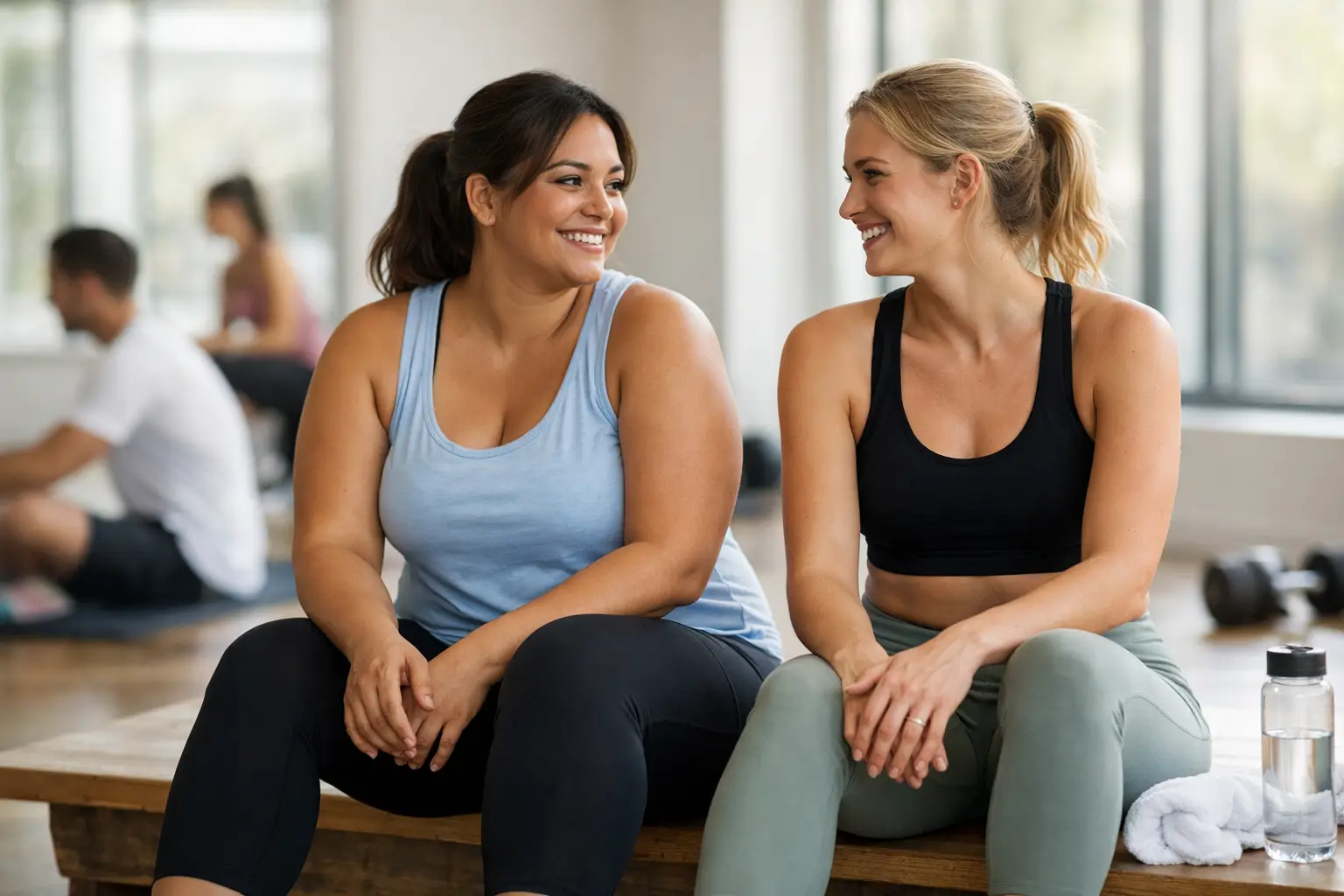
A workout can be a place where you feel capable, clear-headed, and connected to your body. It can also become the place where you keep score against yourself. The relationship between body image and exercise is personal, and it is shaped by far more than your workout plan: social media, old comments, stress, injury, age, culture, and the pressure to look like fitness is effortless.
The goal is not to love every part of your body every day. A more realistic goal is to move in ways that support your health without making your appearance the price of participation.
Table of Contents
- Why exercise can help or hurt body image
- Signs your fitness routine is becoming appearance-driven
- Five ways to build a healthier relationship with movement
- What progress can look like beyond the mirror
- Frequently asked questions
Why Exercise Can Help or Hurt Body Image
Exercise is often presented as a solution to body dissatisfaction: work out, change your body, feel better. Real life is more complicated. Movement can improve mood, sleep, strength, mobility, stress management, and confidence in what your body can do. Those benefits can create a steadier, more respectful relationship with yourself.
But exercise can also become tied to shame. Maybe you feel you have to earn a meal, compensate for a busy weekend, or keep training through exhaustion because missing a session makes you anxious. In those moments, the workout is no longer just about health. It is carrying the weight of self-criticism.
Neither experience means you are doing fitness wrong. It means it is worth checking the story behind your routine. Two people can follow the same strength program for very different reasons. One may feel energized by becoming stronger. The other may feel trapped by the fear of changing shape. The exercises are the same. The emotional cost is not.
When Body Image and Exercise Become Too Tightly Connected
It is normal to care about how you look. Wanting to feel comfortable in your clothes, build muscle, or improve body composition does not automatically make your goals unhealthy. The issue is whether appearance has become the only measure that counts.
A body-image-focused routine can show up as checking the mirror repeatedly after a workout, canceling plans to avoid missing exercise, or feeling that a lighter workout does not “count.” It can also look like avoiding the gym altogether because you assume everyone is watching, even when most people are focused on their own session.
Pay attention to the aftermath of exercise. Do you usually feel more grounded, capable, and cared for? Or do you feel guilty, disappointed, and pressured to do more? Your answer may change from week to week, especially during stressful seasons. That is useful information, not a personal failure.
5 Ways to Make Exercise Support Your Body Image
1. Choose at least one goal that has nothing to do with appearance
Appearance-based goals are not off-limits, but they are fragile when they stand alone. Bodies change slowly, unevenly, and sometimes not in the ways we expect. Add goals that give you more frequent evidence of progress.
You might aim to carry groceries without discomfort, walk up stairs with less breathlessness, complete three workouts this week, improve your squat form, or sleep better after an evening walk. These outcomes give exercise a purpose that lasts beyond a photo, a number, or a clothing size.
2. Build a routine for your actual life
A plan that only works when work is quiet, your kids are sleeping well, and you have perfect energy is not a sustainable plan. For many adults, the most supportive routine includes options: a 30-minute strength session on a good day, a short mobility session on a packed day, and a walk when mental fatigue is high.
This flexibility is not lowering the bar. It is practicing consistency without punishment. A shorter workout can still support your mood, joints, heart health, and confidence. Rest can support those things, too.
3. Change the language you use during workouts
Notice the phrases that run through your mind. “I look terrible,” “I have to burn this off,” or “I should be able to do more” can turn movement into a hostile environment. You do not need to replace every negative thought with forced positivity. Start with language that is neutral and true.
Try: “My body is tired today.” “This is challenging, and I can adjust.” “I am practicing this movement.” “I do not have to punish myself to take care of myself.” Neutral language is often more believable than hype, especially on hard days.
4. Curate your fitness inputs
The accounts, videos, and conversations around you influence what feels normal. If your feed is filled with before-and-after photos, rigid food rules, and messages that equate discipline with suffering, it can distort your expectations.
Look for educators and communities that show a wider range of bodies, ages, abilities, and goals. Consider fitness images that reflect real people: a Black woman in her 50s building strength, an Asian dad fitting in a lunchtime walk, a Latina teen learning to lift safely, or a white man in his 60s prioritizing balance and mobility. Representation matters because it broadens the picture of who exercise is for.
5. Treat recovery as part of training
Hard training without enough sleep, food, rest, or emotional bandwidth can intensify body dissatisfaction. When you are depleted, it is easier to interpret normal bloating, soreness, or a missed workout as evidence that something is wrong with you.
Recovery does not have to be elaborate. It can mean a rest day, enough protein and regular meals, a few minutes of stretching, an earlier bedtime, or asking for support when stress is high. A fitness routine should fit into your well-being, not compete with it.
What Progress Can Look Like Beyond the Mirror
Progress is not only a visual change. It may be saying yes to a pool day without spending the week worrying about your swimsuit. It may be returning to exercise after an injury with patience instead of panic. It may be realizing that you can take two rest days without feeling like you have failed.
Physical changes can be meaningful, and there is no need to pretend otherwise. But they are only one part of health. Strength, energy, blood pressure, mobility, mood, recovery, and the ability to keep promises to yourself all matter. So does having enough room in your life for family, work, friendship, and pleasure.
If body-image distress is taking over your thoughts, affecting eating, or making it difficult to participate in daily life, support from a licensed mental health professional can help. You do not need to wait until things feel extreme to deserve care.
A More Sustainable Standard
The most useful fitness standard is not “How do I look after this workout?” It is “How does this way of moving help me live?” That question leaves room for strength goals, aesthetic goals, recovery, changing seasons, and your full human life.
At Get Fit Now, we believe movement works best when it builds trust in your body rather than asking you to fight it. Your body is not a project that needs constant correction. It is the place you work, rest, care for people, laugh, heal, and keep going from.
Frequently Asked Questions
Can exercise improve body image?
Yes, especially when it helps you focus on function, mood, and capability instead of only weight or appearance. Strength training, walking, yoga, sports, and other forms of movement can build body trust. The effect depends on the environment and the motivation behind the routine.
Is it wrong to exercise because I want to change my body?
No. Wanting body changes is common. The concern is when your self-worth, food choices, relationships, or ability to rest depend entirely on reaching a certain look. Pair appearance goals with health and performance goals to create a more balanced plan.
What should I do if the gym makes me self-conscious?
Start at a quieter time, bring a simple written workout, or choose a space that feels less intimidating, such as a walking trail, home setup, or small group class. Wearing comfortable clothes and focusing on one or two planned exercises can also reduce the feeling of being watched.
How can I tell if I need a rest day?
Persistent soreness, declining performance, poor sleep, irritability, dread around workouts, or an unusually high sense of guilt about taking time off are all reasons to pause and assess. A rest day is not lost progress. It is often what allows progress to continue.