
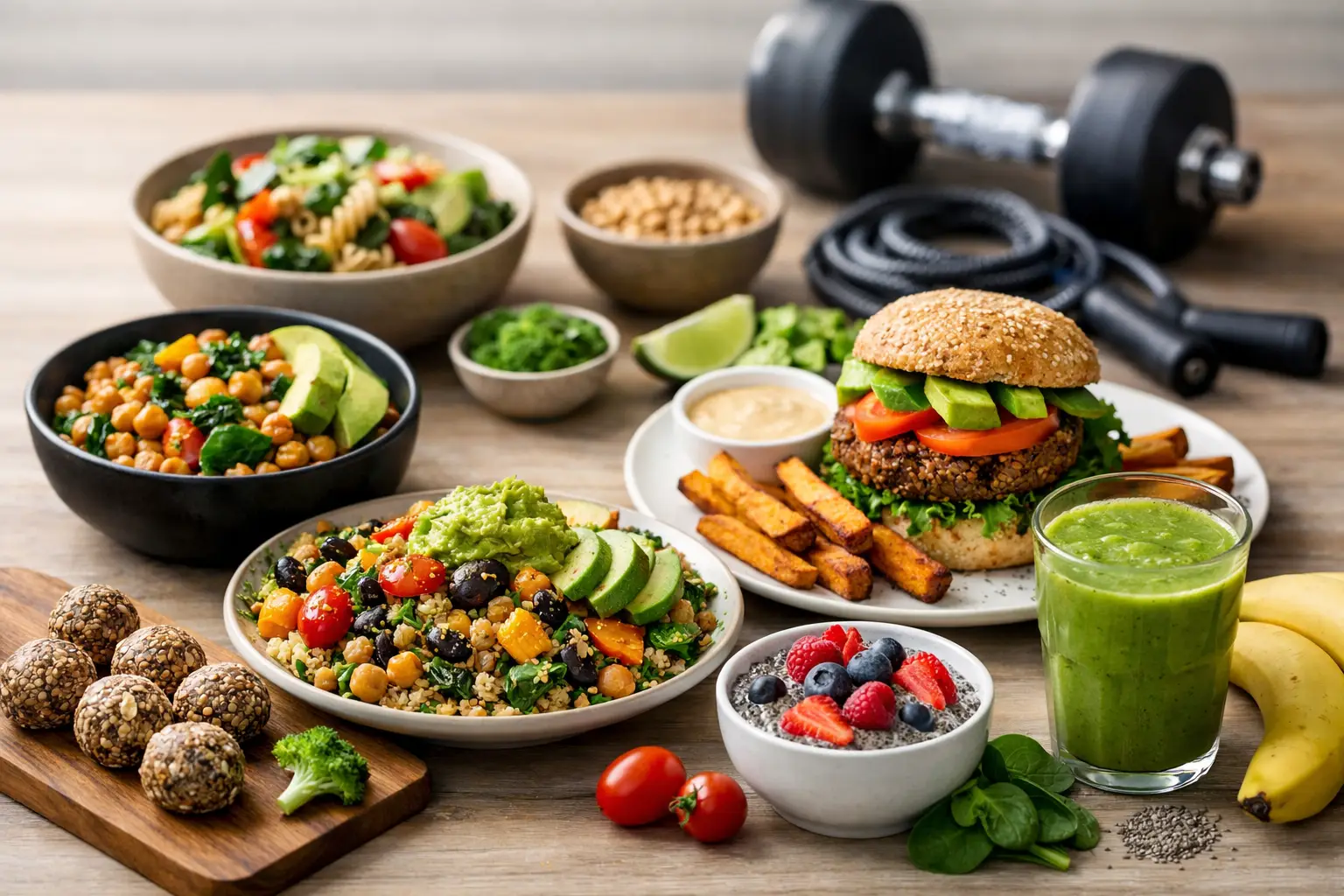
A hard workout followed by a piece of fruit and whatever is left in the fridge can leave you hungry again an hour later. The best plant based athlete recipes solve that familiar problem by pairing enough carbohydrate for training energy with protein, healthy fats, and satisfying flavor. You do not need a perfect menu or hours of meal prep. You need a few dependable meals that work around real life.
Image direction: Show a diverse group of active adults, including men and women of different ethnicities and ages, sharing colorful plant-based meals after a casual workout. Keep the setting warm, practical, and home-kitchen focused rather than body-focused.
Table of Contents
- What athlete-friendly plant-based meals do differently
- 10 recipes for training days and recovery
- How to build a meal around your schedule
- Frequently asked questions
What the best plant based athlete recipes do differently
Athletic eating is not just about chasing the highest protein number on a package. If you run, lift, play recreational sports, or spend long days on your feet, carbohydrates help replenish the fuel your muscles use. Protein supports repair and adaptation. Colorful produce, fats, fluids, and minerals round out the picture.
The right amount depends on your body size, training volume, goals, appetite, and medical needs. A 30-minute strength session does not require the same meal as a two-hour bike ride. Still, a useful rule is to include a protein source at each meal and let harder or longer training days guide you toward more carbohydrate-rich foods such as oats, rice, potatoes, fruit, pasta, and beans.
10 plant-based recipes for training and recovery
1. Banana Berry Overnight Oats
Stir rolled oats, soy milk, chia seeds, mashed banana, frozen berries, cinnamon, and peanut butter in a jar the night before. In the morning, add hemp seeds or a spoonful of soy yogurt.
This is a strong pre-work or pre-workout breakfast because it is portable and carbohydrate-forward, with protein from soy and seeds. If you train very early and a full jar feels too heavy, have half before exercise and finish it afterward.
2. Tofu Breakfast Tacos
Crumble firm tofu in a skillet with olive oil, turmeric, cumin, black beans, spinach, and salsa. Tuck the mixture into corn tortillas and top with avocado.
Tofu and beans make this meal especially filling without relying on eggs or dairy. The tortillas and beans provide useful training fuel, while avocado adds richness. For a higher-calorie option after a long session, add roasted potatoes or a side of fruit.
3. Cherry Vanilla Recovery Smoothie
Blend soy milk, frozen cherries, banana, silken tofu, oats, vanilla, and a pinch of salt. Add plant protein powder only if it makes the meal more convenient for you, not because every smoothie needs it.
This recipe is helpful when your appetite is low after a hard workout or your next obligation is already waiting. The fruit and oats bring carbohydrates, while tofu and soy milk add protein. Drink it with a piece of toast if your session was long or intense.
4. Lentil Bolognese Pasta
Simmer cooked lentils with crushed tomatoes, onions, garlic, Italian seasoning, mushrooms, and grated carrots. Serve over pasta with a sprinkle of nutritional yeast and a simple green salad.
This is comfort food with a practical purpose. Pasta restores energy, and lentils supply protein, iron, fiber, and a hearty texture. If beans are new to your routine or your digestion is sensitive before training, save this higher-fiber meal for later in the day rather than eating it immediately before a run.
5. Sheet-Pan Chickpea Sweet Potato Bowls
Roast cubed sweet potatoes, chickpeas, broccoli, red onion, and smoked paprika on one pan. Serve over quinoa or brown rice with a lemon-tahini sauce.
Make extra so tomorrow’s lunch is already handled. Chickpeas and quinoa offer protein, while sweet potatoes and grains provide lasting energy. Tahini adds calcium and satisfying fat, but use a lighter hand before training if rich meals tend to sit heavily for you.
6. Peanut Ginger Tempeh Stir-Fry
Pan-sear tempeh with ginger, garlic, low-sodium soy sauce, and a quick peanut-lime sauce. Add bell peppers, snap peas, and edamame, then serve with rice.
Tempeh is fermented, firm, and pleasantly nutty, making it a good change of pace from tofu. This meal is particularly useful on strength-training days because it combines multiple protein sources with ample carbohydrates. Buy pre-cooked rice if that is what makes dinner happen on a busy night.
7. White Bean Pesto Sandwiches
Mash white beans with dairy-free pesto, lemon juice, pepper, and chopped arugula. Layer onto whole-grain bread with sliced tomato and cucumber, then serve with grapes or an orange.
Not every athlete meal needs a bowl and a fork. These sandwiches travel well to the office, the field, or the carpool line. Pairing beans with bread creates a more complete, satisfying meal than a vegetable-only sandwich, and fruit adds quick, convenient carbohydrate.
8. Red Lentil Coconut Curry
Cook red lentils with onion, curry powder, tomatoes, light coconut milk, spinach, and vegetable broth. Spoon over jasmine rice and finish with cilantro and lime.
Red lentils cook faster than many other legumes, so this can be a weeknight meal rather than a weekend project. Jasmine rice is lower in fiber than brown rice and may be easier to tolerate after exercise or before an evening practice. Both are nutritious choices. Your stomach and schedule can make the decision.
9. Black Bean Taco Salad with Corn
Build a bowl with romaine, black beans, corn, rice, tomatoes, shredded cabbage, avocado, salsa, and crushed baked tortilla chips. Add a creamy dressing made from blended cashews or soy yogurt and lime.
This recipe works when you want something fresh but still substantial. The salad base adds crunch, but the beans, rice, corn, and avocado keep it from becoming a meal that leaves you searching for snacks 30 minutes later. For meal prep, keep the greens and dressing separate until serving.
10. Chocolate Peanut Butter Energy Bites
Process dates, oats, peanut butter, cocoa powder, ground flaxseed, and a pinch of salt. Roll into small bites and refrigerate.
These are not a replacement for meals, but they can bridge the gap between work and a workout. Two or three bites are an easy pre-training snack when you have 30 to 60 minutes, especially alongside water. If you need a little more protein, have them with soy milk.
Build your plate around your actual schedule
The recipes above are flexible starting points, not rules. Use this four-step approach to make them fit your training and your life.
- Start with the next demand. Before a workout, choose foods you digest well and keep fat and fiber moderate if timing is tight. After training, prioritize a real meal when possible.
- Add a clear protein anchor. Tofu, tempeh, edamame, lentils, beans, soy yogurt, seitan, and fortified plant milks are practical options. Variety helps you avoid getting bored and broadens your nutrient intake.
- Scale carbohydrates to effort. Add more rice, pasta, oats, potatoes, bread, or fruit on longer training days. On a rest day, you can still eat these foods, simply following hunger and satisfaction rather than forcing a rigid plan.
- Plan for the predictable hard moments. Keep frozen vegetables, canned beans, microwaveable grains, fruit, and a protein-rich staple on hand. The best choice at 8 p.m. is often the one you prepared for at 10 a.m.
A fully plant-based eating pattern also deserves attention to nutrients that can be harder to get consistently, including vitamin B12, vitamin D, iodine, calcium, iron, omega-3 fats, and sometimes protein depending on food intake. Fortified foods and supplements can help, but individual needs vary. If you are training intensely, pregnant, managing a health condition, or dealing with persistent fatigue, a registered dietitian can help you create a plan that fits.
Frequently Asked Questions
Do plant-based athletes need protein powder?
No. Protein powder is a convenience tool, not a requirement. Meals built around soy foods, legumes, grains, nuts, seeds, and fortified dairy-free products can provide plenty of protein. A powder can be useful when you are short on time, have a lower appetite after exercise, or struggle to meet needs through meals alone.
What should I eat before a morning workout?
If you have time, try overnight oats, toast with peanut butter and banana, or a small smoothie. If you are heading out quickly, a banana, a few energy bites, or applesauce may be enough to get started. Test options during ordinary sessions rather than on race day or an important event.
Can I build strength on a plant-based diet?
Yes. Strength gains come from consistent training, adequate overall food intake, enough protein, recovery, and time. Plant-based athletes may need to be a little more intentional about including protein-rich foods throughout the day, especially when appetite is limited.
What is the most sustainable way to eat for training?
Choose a small rotation of meals you genuinely enjoy, adjust portions as your training changes, and leave room for imperfect days. Consistency grows from support and preparation, not from punishing rules. One nourishing meal is always a useful next step.