
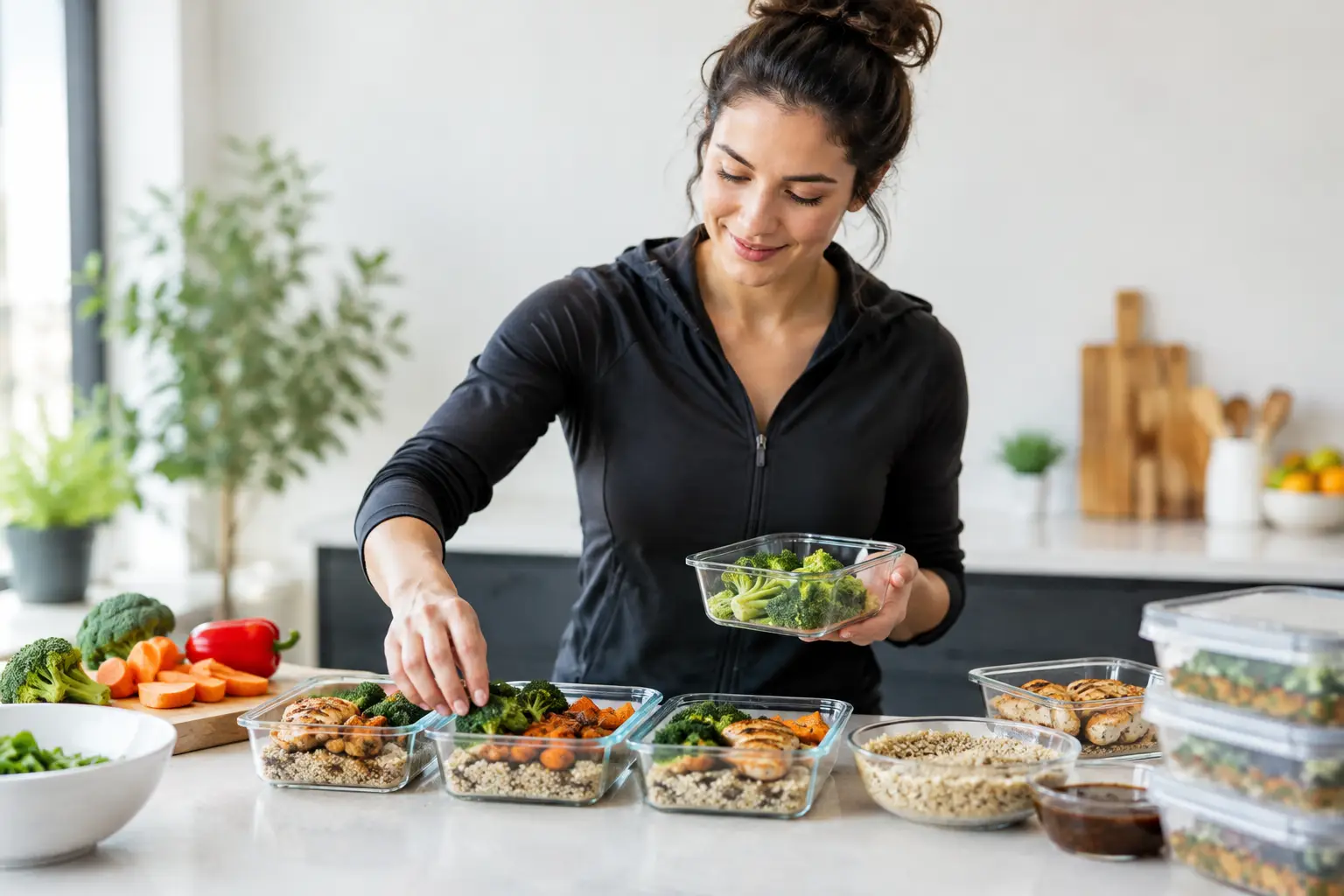
The 6 p.m. question, “What are we eating?” can drain more energy than the meal itself. When work runs late, a child needs help with homework, or you are coming off a demanding shift, complicated meal plans are not the answer. Learning how to meal prep quickly is about creating a few reliable options that make the next choice easier, not spending your whole Sunday cooking food you do not want by Wednesday.
This approach keeps prep flexible, affordable, and realistic. You will make enough building blocks for several satisfying meals, leave room for changing plans, and skip the pressure to eat perfectly.
Table of Contents
- Start with your real schedule
- Choose a simple meal formula
- Shop for overlap, not variety
- Prep in a focused 60-minute block
- Store food for speed and safety
- Make meals feel different all week
- FAQ
1. Start With Your Real Schedule
Before writing a grocery list, look at the next four or five days as they actually are. A week with late meetings, school pickups, night shifts, or emotional exhaustion needs a different plan than a quiet week at home. Meal prep works best when it supports your life instead of asking you to organize your life around containers.
Pick the meals that create the most friction. For many people, that is weekday lunch or the stretch between arriving home and dinner. You may only need to prep three lunches and two easy dinners. That still counts.
Set a small target: perhaps five portions total, or two cooked components plus a few no-cook snacks. If you have been relying on takeout because you are overwhelmed, starting small is not a lack of discipline. It is a smart way to build trust in a new habit.
2. Use a Simple Meal Formula
You do not need seven separate recipes. A faster system is to prepare components you can combine in different ways. Think of each meal as a protein, a filling carbohydrate, colorful produce, and a flavor source. The proportions can shift based on your appetite, culture, budget, activity level, and health needs.
For example, roast chicken thighs or bake tofu, cook rice or potatoes, and add a tray of vegetables. Pair them with salsa, pesto, hummus, yogurt sauce, curry sauce, or a dressing you enjoy. On another week, use lentils, tortillas, frozen vegetables, and shredded cheese for quick bowls, wraps, or skillet meals.
There is no universal “clean” meal-prep menu. A Filipino-inspired rice bowl, a Mexican-style bean-and-veggie burrito, a Mediterranean chickpea salad, or a turkey sandwich with fruit can all be practical, nourishing choices. Familiar food is often the food you will genuinely eat.
Build around one anchor protein
Protein can make meals more satisfying and help support recovery if you train, walk often, or spend long days on your feet. Choose one or two options that fit your preferences: eggs, Greek yogurt, beans, lentils, fish, chicken, turkey, tofu, tempeh, or edamame.
Convenience counts here. Rotisserie chicken, canned tuna, pre-cooked lentils, and frozen shrimp can be useful on high-stress weeks. Cooking from scratch is not morally better if it creates another task you cannot sustain.
3. Shop for Overlap, Not Endless Variety
The quickest grocery list uses ingredients more than once. Instead of buying a different set of foods for every meal, choose items that can move across breakfast, lunch, dinner, and snacks.
A bag of spinach can go into egg muffins, grain bowls, and pasta. Greek yogurt can become breakfast, a snack, or a creamy sauce. Bell peppers work in wraps, stir-fries, and sheet-pan meals. This reduces shopping time, food waste, and the mental load of deciding what to make.
Keep a short emergency list for weeks when prep time disappears. Frozen vegetables, microwavable grains, canned beans, whole-grain bread, bagged salad, soup, fruit, and shelf-stable protein options can become meals in minutes. These foods are not a failure of planning. They are part of planning for a real life.
4. How to Meal Prep Quickly in 60 Minutes
The biggest time saver is cooking tasks at the same time. Do not wait for one item to finish before starting another. Set up your kitchen so the oven, stovetop, microwave, and cutting board each have a job.
Start by heating the oven to 425°F and putting a pot of water or grains on the stove. While those warm up, chop vegetables or use pre-cut produce. Put protein and vegetables on separate sheet pans with oil, salt, pepper, and one or two seasonings. Roast them while you prepare a sauce, wash fruit, or portion snacks.
A realistic 60-minute flow can look like this:
- Spend 10 minutes washing produce, starting grains, and heating the oven.
- Use the next 15 minutes to season protein and vegetables and get them cooking.
- During the 20 to 25 minutes they roast or simmer, mix a sauce, portion snack foods, and clear space in the refrigerator.
- Use the final 10 minutes to cool and pack food into containers.
You do not need to portion every meal individually. Some people prefer storing ingredients separately and assembling a bowl or wrap in two minutes. This protects texture and gives you more choice when your appetite changes.
Let convenience tools earn their place
A sheet pan, rice cooker, air fryer, slow cooker, or microwave can reduce hands-on work, but none is required. Use the equipment you already own. If cleanup is your biggest barrier, line a baking pan with parchment and choose one-pot meals. A plan with fewer dishes is often the plan that survives a hard week.
5. Store Food for Speed and Safety
Cool cooked food promptly, then refrigerate it in shallow containers. Most cooked meals are best used within three to four days, so consider freezing portions if you prep more than that. Labeling containers with the date can help when your refrigerator is busy and your brain is tired.
Keep grab-and-go items visible. Put prepared lunches at eye level, washed fruit near the front, and sauces where you can reach them. Your environment matters more than motivation at 7 a.m.
If you work overnight or commute far, use an insulated lunch bag with ice packs for perishable food. Reheat meals until they are steaming hot, and when in doubt about food that has been sitting out too long, choose safety over saving a portion.
6. Make the Same Prep Feel Different
Repetition is efficient, but boredom is real. Rather than preparing entirely new food, change the format and flavor. Roasted vegetables, rice, and chicken can become a bowl with salsa on Monday, a wrap with greens on Tuesday, and a warm skillet meal with eggs on Wednesday.
Keep two sauces or seasonings available so meals do not feel identical. One can be bright and fresh, such as lemon yogurt or salsa, while another can be richer, such as peanut sauce or a mild curry simmer sauce. If sodium, allergies, digestive concerns, or a medical condition affect your choices, adapt ingredients with guidance from your care team.
Also leave one or two meals unplanned. A friend may invite you out, leftovers may build up, or you may simply want cereal and fruit for dinner. Flexibility is what makes meal prep sustainable. Your containers are there to support you, not control you.
A kinder way to measure success
Quick meal prep is successful when it gives you one less decision on a demanding day. It does not need to produce a picture-perfect refrigerator, change your body, or prove that you are organized enough. A few prepared ingredients can help you eat regularly, feel more steady through the afternoon, and spend less money and energy scrambling at the last minute.
At Get Fit Now, we believe health habits should create more room for your life, not less. Start with one prep session this week, notice what helped, and adjust without judgment.
Frequently Asked Questions
How many days should I meal prep at once?
For most people, three to four days is a practical range for freshness and variety. If you need more coverage, freeze extra portions rather than keeping everything in the refrigerator all week.
What if I hate eating leftovers?
Prep ingredients instead of finished meals. Cook a protein and grain, wash produce, and keep different sauces or wraps on hand. You can create a different meal in a few minutes without starting from zero.
Can I meal prep without cooking?
Yes. Build meals with bagged salads, canned beans, deli turkey, yogurt, fruit, whole-grain crackers, pre-cooked grains, and rotisserie chicken. The goal is reliable nourishment, not a particular cooking style.
What is the fastest meal prep for beginners?
Choose one sheet-pan protein and vegetable combination, one easy carbohydrate such as microwavable rice or potatoes, and one sauce. Make enough for two or three meals before adding more complexity.
A prepared meal is not a test of willpower. It is a small act of care for the version of you who will be hungry, busy, and ready for an easier next step.