
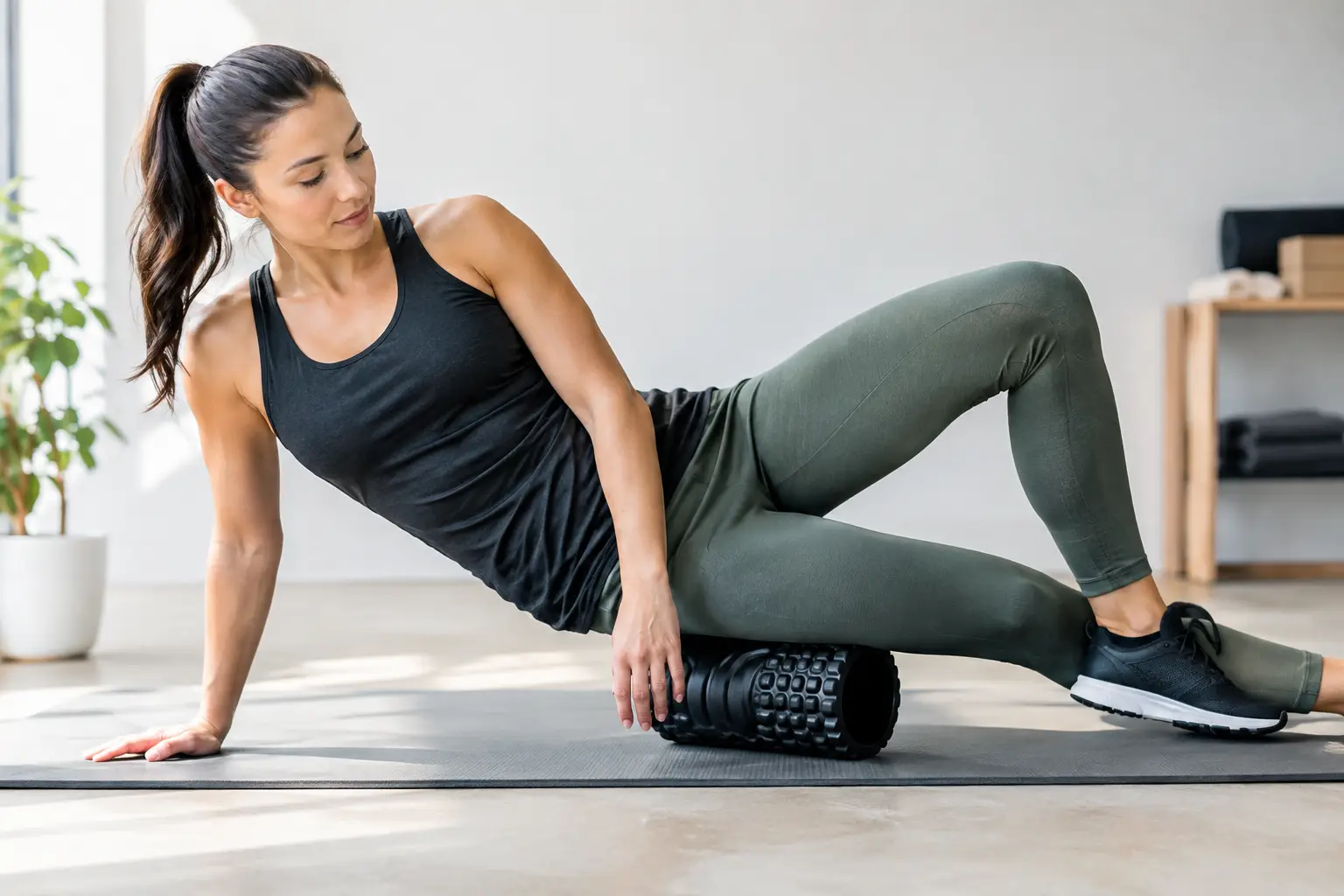
Your calves are tight after a long shift, your back feels cranky after hours at a desk, and the foam roller in the corner starts to look like a promise. But does foam rolling work, or is it just another wellness ritual that asks for time you do not have?
It can help, especially if your goal is to feel a little looser, improve short-term range of motion, or make recovery feel more manageable. It is not a cure for pain, a way to “break up” fascia, or a substitute for sleep, strength training, and professional care when something is wrong. Here is how to use it with less hype and more confidence.
Table of Contents
- What foam rolling can and cannot do
- Why it may help you feel better
- How to foam roll without overdoing it
- When foam rolling is not the right tool
- A realistic five-minute routine
- Frequently asked questions
1. What foam rolling can and cannot do
Foam rolling is a form of self-massage, often called self-myofascial release. You use your body weight against a roller to apply pressure to a muscle or the tissue around it. Research suggests it can produce small, temporary improvements in flexibility and joint range of motion. Using it before a workout may help you move more comfortably without the performance dip that can sometimes follow long static stretches.
After training, foam rolling may reduce the feeling of delayed-onset muscle soreness for some people. That matters. If a short routine makes tomorrow’s stairs feel less intimidating or helps you return to a movement habit, it has practical value.
Still, its effects are usually modest and temporary. Foam rolling does not physically flatten knots, flush out lactic acid, lengthen muscles, or repair an injury. Muscles do not become permanently “stuck” because you missed one recovery session. Your body is adaptable, not fragile.
Think of a roller as one comfort tool in a larger recovery plan. It may help you feel ready to move. The long-term changes in strength, mobility, and resilience come from regular movement, progressive training, adequate food, rest, and stress support.
2. Why does foam rolling work for some people?
The most likely answer is not that the roller changes your tissue structure. It may influence your nervous system and your perception of tightness or discomfort. Pressure, slow breathing, and focused attention can tell your system that a movement feels safer. That can make it easier to access a little more range of motion in the moment.
There is also a simple human factor: taking two quiet minutes to notice how your body feels can interrupt the rush of a stressful day. For a parent fitting in exercise between responsibilities, a nurse coming off a long shift, or someone rebuilding confidence after burnout, that pause can be useful in its own right.
But a “good hurt” is not proof that it is working. More pressure is not more recovery. If rolling leaves you bracing, holding your breath, or feeling bruised for days, the dose is too high. Aim for tolerable pressure that you can breathe through, around a 4 to 6 out of 10 in intensity.
Tightness is a signal, not always a shortening problem
A muscle can feel tight because it is fatigued, sore, stressed, undertrained, or protecting an irritated area. Sometimes the most effective answer is a gentle walk, a lighter workout, a few strength-building movements, or a rest day. Foam rolling can fit alongside those choices, but it does not need to be the first response every time your body feels different.
3. How to foam roll without overdoing it
Use the roller with a clear purpose: to prepare for movement or to settle down after it. You do not need a 30-minute recovery ceremony. One to two minutes per area is plenty for most people, and five to 10 minutes total is enough for a useful session.
Start slowly on the muscle you want to target. For example, roll the front of your thighs, glutes, calves, or upper back with controlled passes. When you find a tender spot, pause for 20 to 30 seconds and take steady breaths instead of aggressively grinding into it. Then move on.
A few adjustments make the experience more comfortable. Support some of your body weight with your hands or opposite foot if the pressure feels intense. Choose a softer roller if you are new to this, sensitive to pressure, or returning to exercise after time away. Firmer, textured rollers are not automatically better – they simply create more sensation.
Avoid rolling directly over joints, bones, the front or side of your neck, your low back, or an area that is swollen, numb, sharply painful, or freshly injured. For the low back, gentle movement, walking, and targeted strength work are often more useful options. For the upper back, keep your ribs supported and move gradually rather than forcing your spine into a deep arch.
4. When foam rolling is not the right tool
Do not try to roll your way through warning signs. Seek medical guidance for pain after a fall or accident, major swelling, loss of strength, fever, unexplained bruising, numbness or tingling, pain that travels down an arm or leg, or pain that keeps worsening. Those symptoms deserve more than a recovery gadget.
Check with a clinician before foam rolling if you have a blood-clotting condition, take blood-thinning medication, have severe osteoporosis, have reduced sensation from diabetes or another condition, or are recovering from surgery. Pregnancy can also change what feels comfortable, particularly as your body changes. A qualified clinician or physical therapist can help you choose safe modifications.
If you are living with chronic pain or recovering from trauma, body-based practices can sometimes feel unexpectedly intense. You are allowed to stop. Try rolling over clothing, use lighter pressure, keep one foot or hand grounded, or choose a calming walk instead. Recovery should support your sense of safety, not demand that you push past it.
5. A realistic five-minute foam rolling routine
Use this routine before a workout when you want to feel more mobile, or after activity when your muscles feel generally worked. It is not designed to treat an injury.
- Calves – 45 seconds each side. Sit with one calf on the roller. Roll from above the ankle to below the knee. Keep the other foot on the floor to reduce pressure.
- Front thighs – 60 seconds total. Lie facedown with the roller under your thighs. Move from just above the knees toward the hips, staying off the kneecaps and hip bones. Keep the pace slow.
- Glutes – 45 seconds each side. Sit on the roller and gently shift toward one side. Move through the fleshy part of the glute, not directly over the tailbone.
- Upper back – 60 seconds. Place the roller below your shoulder blades, support your head if that feels good, and roll from mid-back to the top of your shoulders. Keep your hips on the floor or lifted only as much as is comfortable.
- Finish with three easy movements. Stand up and do a few bodyweight squats, arm circles, or a short walk around the room. This helps you use any temporary increase in range of motion in a real movement pattern.
Consistency matters more than intensity. A five-minute practice twice a week is more useful than a punishing session you dread. At Get Fit Now, we call that sustainable recovery: using tools that help you return to your life, rather than turning recovery into another performance test.
A practical closing thought
Foam rolling can work as a small, low-risk way to feel more comfortable and ready to move, provided you keep your expectations realistic. Use it because it feels helpful, not because you believe you have to earn recovery through pain. Your body does not need punishment to become stronger.
Frequently Asked Questions
Should I foam roll before or after a workout?
Either can work. Before exercise, use short, gentle rolling followed by warm-up movements. After exercise, use it if it feels soothing, but remember that sleep, food, hydration, and an appropriate training load do more for recovery overall.
How often should I foam roll?
There is no required schedule. Two to four brief sessions a week is plenty if you enjoy it. You can also use it on an as-needed basis after long travel, desk-heavy days, or challenging workouts.
Can foam rolling get rid of muscle knots?
Not literally. What people call a knot may be a sensitive, fatigued, or guarded area. Rolling may temporarily reduce that sensation, but lasting improvement usually comes from addressing the bigger picture, including movement habits, strength, workload, sleep, and stress.
Why do I feel bruised after foam rolling?
You probably used too much pressure, spent too long in one area, or rolled over a spot that was already irritated. Take a break, choose a softer roller, and use your hands or feet to reduce how much body weight rests on the roller. Pain is not a recovery requirement.