
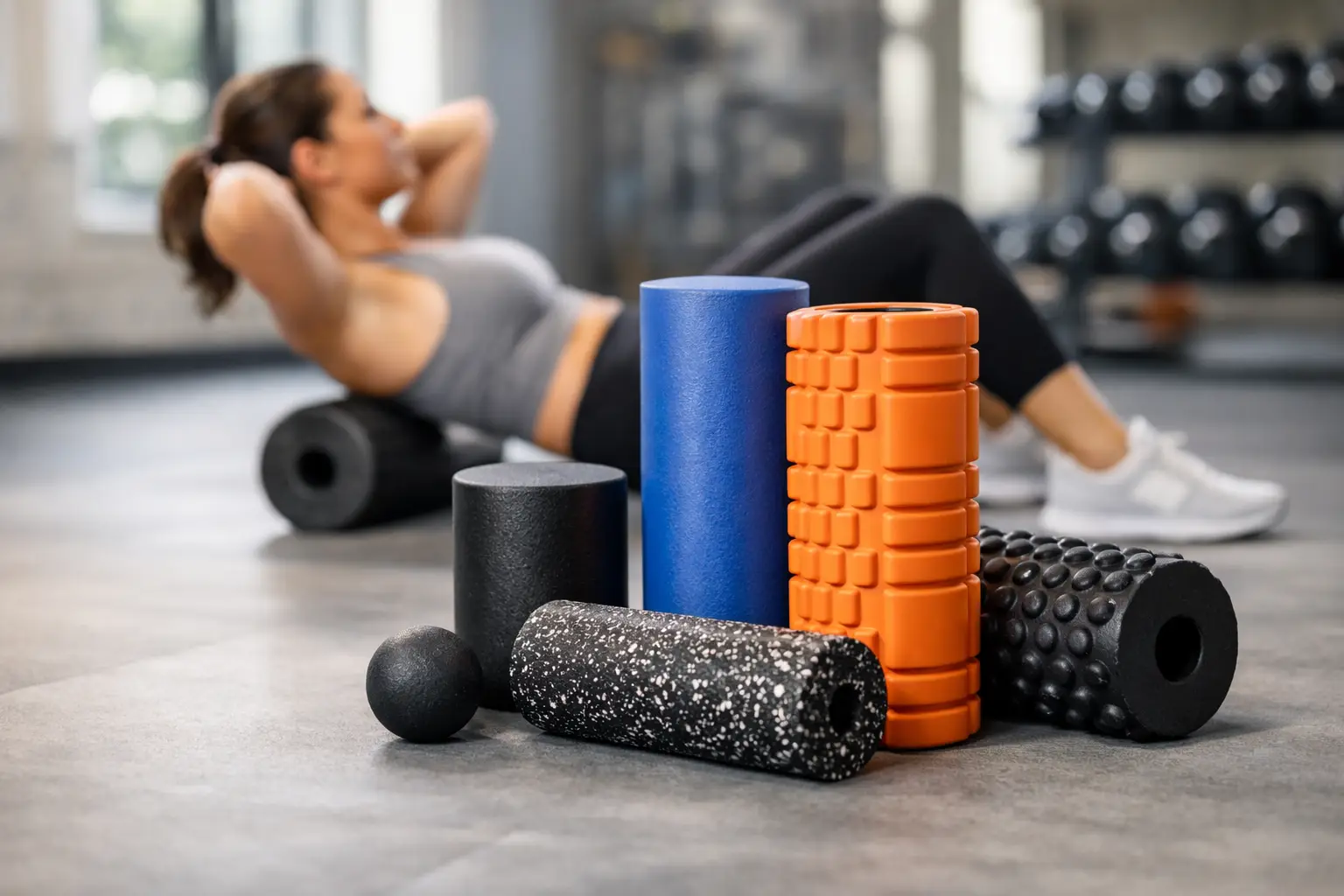
You finish a workout, a long shift, or a day of carrying kids, groceries, and everyone else’s needs. Then your calves feel tight, your upper back is stiff, and the idea of an hour-long recovery routine feels unrealistic. The best foam roller for recovery is not necessarily the firmest or most expensive one. It is the one you can use comfortably and consistently to help your body feel ready for everyday movement.
Foam rolling can be a useful part of recovery, especially when paired with sleep, enough food, hydration, and sensible training. It will not erase soreness or fix every ache, but a few intentional minutes can improve short-term range of motion and help you feel less restricted after activity.
Table of Contents
- What a foam roller can and cannot do
- How to choose the best foam roller for recovery
- Which foam roller type fits your needs
- How to use a roller without making soreness worse
- When to skip the foam roller
- Frequently asked questions
What a foam roller can and cannot do
Foam rolling is a form of self-myofascial release. That phrase sounds technical, but the practice is simple: you use your body weight and a foam roller to apply pressure to an area that feels tight or tired. Many people notice that their hips, quads, calves, glutes, or upper back move more freely afterward.
The benefit is not that a roller “breaks up” muscle knots or flushes toxins from your body. Muscles and connective tissue are more complex than that popular explanation suggests. More likely, the pressure gives your nervous system new sensory input, temporarily reducing the feeling of stiffness and making movement feel easier.
That distinction matters. You do not need to chase pain to get results. If rolling leaves you bracing, holding your breath, or bruised for days, it is too aggressive for the goal of recovery.
How to choose the best foam roller for recovery
Start with your current tolerance, not the intensity you think you should handle. A foam roller should feel like productive pressure, not punishment. For most people building a sustainable recovery habit, a medium-density, smooth roller is the most versatile first choice.
Consider these five features before buying:
- Density: Soft foam rollers are gentler and work well for beginners, people with significant soreness, and those returning to movement after time away. Medium density offers a balanced feel for regular use. Firm rollers provide more pressure, but they can be overwhelming on tender muscles and are not automatically more effective.
- Texture: Smooth foam rollers spread pressure evenly and are easiest to control. Textured rollers with ridges or knobs create more targeted sensation. They can feel good on larger muscles for experienced users, but they may be too intense if you are already stressed, sore, or new to rolling.
- Length: A 36-inch foam roller is excellent for upper-back work because it supports more of your spine at once. A 12- to 18-inch roller is easier to store, travel with, and use on calves, glutes, quads, and feet. For many busy households, a shorter roller gets used more often simply because it fits under a bed or in a closet.
- Diameter: The standard 6-inch diameter foam roller gives you a useful amount of leverage. A smaller diameter can create stronger pressure, while a larger or half-round foam roller can feel more stable for beginners or people working on balance.
- Material and durability: Molded foam rollers tend to hold their shape better over time than inexpensive, soft foam versions. That said, a budget foam roller that feels comfortable is a better choice than a premium roller that sits untouched in a corner.
The best foam roller match for most people
If you want one straightforward recommendation, choose a smooth, medium-density roller that is 18 to 36 inches long and about 6 inches in diameter. It is adaptable enough for post-workout recovery, desk-related stiffness, and mobility work without being unnecessarily intense.
A shorter, firm textured roller may suit an experienced lifter or runner who likes focused pressure on the calves and glutes. A soft, full-length foam roller may be a better fit if you are managing general stiffness, rebuilding confidence after an injury has been cleared, or simply want a calmer recovery practice at the end of a demanding day.
Which foam roller type fits your needs
There is no single best foam roller for recovery because bodies, schedules, and training demands differ. Think about where you will use it and what gets in the way of recovery now.
A smooth medium-density roller is the practical all-around option. It works for most large muscle groups and gives you enough pressure to notice a difference without turning a five-minute routine into an endurance test.
A soft roller is useful if traditional foam rolling has felt painful or intimidating. It can also be a smart choice after a hard training week, when your body needs downshifting more than additional intensity.
A firm textured roller is for people who already tolerate pressure well and prefer a more specific sensation. Use it with care. More texture can make it harder to relax, and a tense body is not usually getting the recovery message you want to send.
A short travel roller is ideal for apartment living, work trips, or a gym bag. It cannot replace a full-length roller for every movement, but convenience is a meaningful feature. Your recovery tool only helps if it is nearby when you need it.
A massage ball or peanut-shaped roller is not a replacement for a standard roller, but it can be a helpful companion for the feet, glutes, and muscles around the upper back. Avoid pressing a ball directly into the low back or front of the neck.
How to use a foam roller without making soreness worse
Keep your first sessions short. Two to five minutes total is enough to learn what your body responds to. Roll slowly over a broad muscle area, pause on a tender spot for 20 to 30 seconds if it feels tolerable, then move on. You do not need to repeatedly grind over one place.
For your quads, support yourself on your forearms and roll from above the knees to below the hip crease. For calves, sit with one or both legs over the roller and move from above the ankle toward the knee. For glutes, sit on the roller and shift gently toward one side. For the upper back, keep the roller below the neck and above the low back, supporting your head if that feels better.
Use the pressure dial that your body gives you. Put more weight into your hands or the opposite foot to reduce intensity. Breathe normally. If you catch yourself wincing, tighten your jaw, or dread the next pass, back off.
Rolling is often most useful before movement when you want to feel less stiff, or after activity when it helps you transition into rest. Neither timing is magic. The better option is the one you can repeat without adding another obligation to an already full day.
When to skip foam rolling
Do not roll directly over a joint, bone, varicose veins, an open wound, a fresh bruise, or an area that is swollen, numb, or sharply painful. Skip it when pain feels sudden, severe, or unlike normal muscle soreness. If you have osteoporosis, a bleeding disorder, reduced sensation, are taking blood-thinning medication, are pregnant, or are managing an injury or medical condition, ask a qualified clinician what is appropriate for you.
Persistent pain deserves more than a tougher recovery tool. If discomfort is changing how you walk, sleep, work, or exercise, getting an evaluation can help you address the cause rather than repeatedly working around it.
A simple recovery habit that can last
A foam roller works best as a small support in a larger routine, not as a requirement for earning rest. Keep it where you will see it, such as beside your workout space or near the couch. On busy days, roll your calves and upper back while dinner cooks or before bed, then let that be enough.
The right roller is one that helps you pay attention to your body with curiosity rather than criticism. Choose a comfortable option, use a light touch, and remember that recovery is built through repeatable care – not through how much discomfort you can tolerate.
Frequently Asked Questions
How long should I foam roll for recovery?
Most people do well with 30 to 60 seconds per muscle group, for a total of five to 10 minutes. Longer is not necessarily better. Stop when the area feels more comfortable or mobile, rather than trying to force a dramatic change.
Should foam rolling hurt?
Mild discomfort or tenderness can be normal, especially in tight muscles. Sharp pain, numbness, tingling, bruising, or the urge to hold your breath are signs to reduce pressure or stop. Recovery should leave you feeling more at ease, not beaten up.
Is a textured roller better than a smooth roller?
Not for everyone. Textured rollers offer more concentrated pressure, while smooth rollers are more forgiving and easier for most people to use consistently. If this is your first roller, smooth and medium density is usually the safer bet.
Can I foam roll every day?
Yes, if it feels good and you are using moderate pressure. Daily rolling is not required, though. A few minutes after workouts or on days when stiffness is noticeable can be plenty. Let your body’s response guide the habit, and treat recovery as support for your life, not another task to perform perfectly.
For further reading, consider Pliability for Runners: The Breakthrough Method to Stay Injury-Free, Get Stronger and Run Faster by Joseph McConkey.